 All about product
 Specification
 Reviews
 Questions
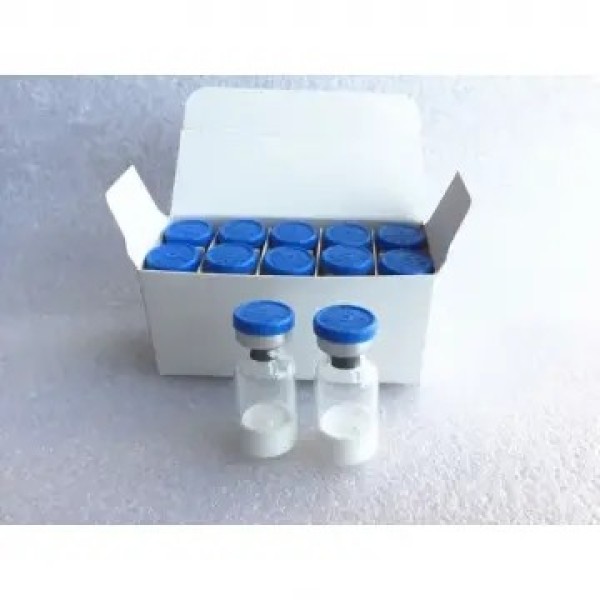

What Defines HMG 75iu GENERIC
HMG 75iu GENERIC, or human menopausal gonadotropin, is a medication used primarily in fertility treatments. It is made from the urine of postmenopausal women and contains both luteinizing hormone (LH) and follicle-stimulating hormone (FSH). These hormones play a crucial role in regulating the reproductive system, particularly in stimulating ovarian function in women and spermatogenesis in men. The primary working principle of HMG 75iu GENERIC involves its ability to mimic the natural hormones that are essential for the maturation of ovarian follicles and the production of eggs. By administering HMG 75iu GENERIC, healthcare providers can directly influence the body’s hormonal balance, promoting ovulation and enhancing fertility outcomes.
One of the key features of HMG 75iu GENERIC is its precise dosing, which allows for tailored treatment plans based on individual patient needs. This specificity is crucial as it enables healthcare professionals to optimize the chances of successful conception while minimizing side effects. Furthermore, the formulation is designed to be easily administered, typically through subcutaneous or intramuscular injections, providing an effective route for hormone delivery. Overall, HMG 75iu GENERIC stands out as a vital tool in assisted reproduction technology, making it an essential consideration for individuals facing fertility challenges.
Types and Forms of Release
HMG 75iu GENERIC is primarily available in injectable form, which is the most effective method for delivering the hormones directly into the bloodstream. The injectable solution typically comes in a vial, which requires reconstitution before administration. The two main components, LH and FSH, work synergistically to stimulate the ovaries, fostering a conducive environment for egg development. HMG may also be found in various concentrations, with 75iu being a common dosage that offers a balance between efficacy and safety for patients embarking on their fertility journey.
Some formulations may include additional stabilizers or preservatives to enhance shelf life and drug stability, ensuring that patients receive a product that maintains its potency throughout the treatment period. The administering healthcare provider often selects the specific concentration and formulation based on the patient's medical history, treatment goals, and a thorough assessment of their reproductive health. This tailored approach ensures that individuals receive the most appropriate treatment for their unique circumstances.
Main Differences from Other Substances
HMG 75iu GENERIC differentiates itself from other fertility medications, such as Clomiphene Citrate or Gonadotropin-Releasing Hormones (GnRH), by its comprehensive action on both FSH and LH pathways, thereby providing a more complete hormonal replacement. While Clomiphene Citrate primarily stimulates the pituitary gland to release endogenous FSH and LH, HMG delivers these hormones exogenously, resulting in quicker and more reliable responses in eligible patients. This is particularly beneficial for those who may have a reduced natural response due to various medical issues.
Another significant difference lies in the scope of its use. HMG is not only beneficial for women struggling with ovulation but also holds potential for use in male infertility cases, offering a dual-action mechanism could promote spermatogenesis. This versatility makes HMG 75iu GENERIC a compelling choice for clinics and patients looking for a robust solution to reproductive challenges. Moreover, the consistent and predictable results often associated with HMG use add to its attractiveness in comparison to other fertility treatments, which might yield inconsistent responses.
Long-Term Effects and Contraindications
The long-term effects of using HMG 75iu GENERIC can be positive, particularly for couples dealing with infertility issues, as it successfully aids in increasing the likelihood of conception. With proper monitoring and dosage adjustments, many patients achieve their reproductive goals. However, it is essential to note that that this medication is not suitable for everyone. Contraindications include individuals who are pregnant or breastfeeding, as well as those with certain medical conditions such as uncontrolled thyroid or adrenal dysfunction.
Patients who have a history of hormone-responsive tumors, any form of ovarian pathology, or those with significant health issues like thrombosis should also avoid HMG 75iu. Therefore, a thorough medical evaluation and consultation with a healthcare professional are paramount before commencing any treatment involving HMG. Understanding these limitations will help ensure a safer and more successful experience for those considering its use.
Practical Advice for Starting HMG 75iu GENERIC
When considering the use of HMG 75iu GENERIC, it is crucial to begin with a comprehensive assessment by a qualified healthcare provider who specializes in reproductive medicine. They will evaluate your medical history, conduct necessary tests, and discuss your treatment options to determine the suitability of HMG for your specific situation. If prescribed, understanding the proper injection technique and adhering to the suggested schedule will maximize treatment effectiveness.
Patients should also keep track of their reproductive cycle and any physiological reactions experienced during the treatment, as this information can be vital for the healthcare provider to make informed decisions about dosage adjustments. It is also beneficial to maintain open communication with your healthcare team, reporting any side effects or concerns promptly. Following these guidelines can provide a supportive framework that enhances the chances of achieving desired fertility outcomes with HMG 75iu GENERIC.


There are no reviews for this product, be the first to leave your review.


No questions about this product, be the first and ask your question.
