
Levitra Role in Sports Pharmacology
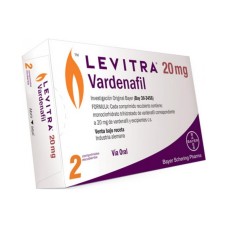
Levitra, scientifically known as vardenafil, is a medication primarily recognized for treating erectile dysfunction (ED). However, its relevance extends into the realm of sports pharmacology, where it is often considered for its potential performance-enhancing effects. Athletes and sports enthusiasts occasionally explore medications like Levitra to improve blood flow and enhance overall physical performance. The pharmacological properties that make Levitra effective in treating ED—namely its ability to dilate blood vessels—raise questions about its use in sports, particularly in terms of stamina, endurance, and recovery. This budding interest in Levitra as a potential sports aid has highlighted the need for a more comprehensive understanding of its role, purpose, and relevance for users in the athletic community.
Dosage Scheme and Optimal Use
Products in the Levitra category are generally administered in specific dosages tailored to individual needs, primarily focusing on their efficacy and safety. The standard dosage of Levitra for erectile dysfunction usually ranges from 5 to 20 mg, taken approximately 30 to 60 minutes before sexual activity. For those considering its use in the context of sports, it's crucial to understand that factors like body weight, metabolism, and overall health can influence the optimal dosage. The conceptual uniting element of Levitra with other PDE5 inhibitors is its mechanism of action, which inhibits the enzyme phosphodiesterase type 5, leading to increased blood flow to specific areas of the body. This action can provide various benefits, particularly in situations where enhanced oxygen delivery and nutrient absorption are critical for athletic performance.
Main Benefits of Levitra
Levitra boasts a range of benefits that extend beyond its primary use in treating erectile dysfunction. Athletes and fitness enthusiasts have shown interest in its potential advantages, which include improved blood circulation and enhanced recovery times after intense physical exertion. The compound acts quickly, allowing athletes to potentially capitalize on its effects during training and competition. The key advantages of Levitra include:
- Improved blood flow, leading to better oxygen delivery to muscles.
- Enhanced stamina and endurance during physical activities.
- Faster recovery times post-exercise.
- Increased confidence in performance due to reduced anxiety.
Each of these benefits can contribute to a more effective training regimen, making Levitra a potentially compelling option for those seeking optimization in their athletic pursuits. However, it's vital for users to remain informed about the appropriate context and limitations regarding its use in sports.
Contraindications and Important Limitations of Use
While Levitra presents attractive benefits, safety and contraindications are crucial considerations for potential users. Individuals with certain medical conditions should avoid using products from this category. These conditions include severe heart issues, low blood pressure, or those who are taking nitrates, as the combination can lead to dangerously low blood pressure levels. It is also important for individuals with liver or kidney problems to consult with a healthcare professional due to potential interactions and adverse effects. Furthermore, Levitra is not recommended for individuals below the age of 18 or those with a history of hypersensitivity to its ingredients. Awareness of these limitations is essential, as misuse or inappropriate usage could lead to serious health risks. Always prioritize a professional medical consultation before considering Levitra, especially in the context of sports pharmacology.