

Nifedipine: Overview of the Product Category
Nifedipine belongs to a class of medications known as calcium channel blockers, which are widely used for treating cardiovascular diseases. The common thread uniting all products in the Nifedipine category is their fundamental mechanism of action, which involves the inhibition of calcium ions from entering the heart and blood vessel cells. By doing so, these medications help relax and widen blood vessels, leading to a reduction in blood pressure and improved blood flow. This therapeutic effect is particularly beneficial for individuals with hypertension or certain types of angina. Key characteristics common to all Nifedipine products include their efficacy in managing blood pressure, ability to alleviate chest pain, and availability in various formulations that enhance patient adherence and comfort.
Types and Forms of Nifedipine Products
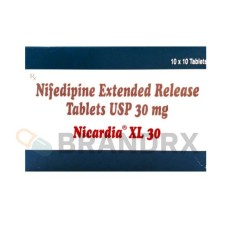
Products in the Nifedipine category are available in several types and forms to cater to different patient needs and preferences. The most common formulations include immediate-release and extended-release capsules, which allow for flexibility in dosing schedules. Immediate-release Nifedipine is often utilized for quick relief of angina symptoms, while extended-release formulations provide a sustained effect over a 24-hour period, making them ideal for chronic management of hypertension. In addition to oral capsules, Nifedipine is also available in tablet form and as a sublingual formulation. This variety of formats ensures that patients have options based on their lifestyle, tolerance, and specific medical requirements.
Why Choose Nifedipine Over Other Related Categories
Nifedipine stands out from other categories of cardiovascular medications, particularly other classes of antihypertensives and antianginal agents, due to its unique mechanism of action and favorable profile for specific patient populations. While other medications like ACE inhibitors or beta-blockers work differently, they may not be suitable for every individual due to side effects or contraindications. For instance, Nifedipine is often favored for patients who experience side effects from other antihypertensive medications or those who require rapid therapeutic effects for angina. Additionally, the side effects associated with Nifedipine are generally mild and manageable compared to some alternative therapies, making it a safe choice for both chronic and acute conditions. Understanding these distinctions can help patients make informed choices about their treatment options.
Long-Term Effects and Considerations for Use
The long-term use of Nifedipine has been well-studied and is generally associated with positive outcomes in managing blood pressure and cardiovascular health. Continuous administration can lead to improved heart function and reduced risk of major cardiovascular events. However, it's essential to note that like any medication, Nifedipine may not be suitable for everyone. Pregnant women should avoid this category, particularly in the first trimester, due to potential risks to fetal development. Additionally, individuals under the age of 18 and those with specific medical conditions such as severe liver impairment or allergic reactions to Nifedipine should consult their healthcare provider before use. Careful consideration of these factors can help ensure a positive treatment experience while minimizing the risk of adverse effects.
Choosing and Using Nifedipine Products Correctly
When selecting products from the Nifedipine category, it is crucial to start with a thorough discussion with a healthcare provider to determine the right formulation and dosage for your individual health needs. Factors such as existing medical conditions, concurrent medications, and personal health goals should guide this choice. Once prescribed, adhering to the recommended dosage schedule is vital for the maximum effectiveness of Nifedipine. Patients should also be conscious of potential interactions with food and other substances; for instance, taking certain Nifedipine formulations with grapefruit juice can increase the drug's concentration and lead to adverse effects. Regular follow-up appointments with healthcare professionals are also advisable to monitor the treatment's effectiveness and make any necessary adjustments. By following these guidelines, patients can successfully integrate Nifedipine into their health regimen for optimal cardiovascular health.