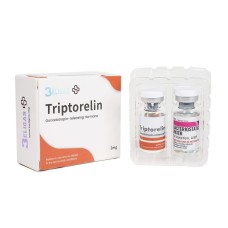

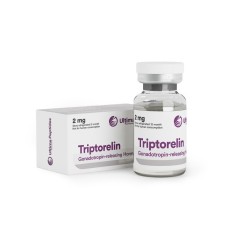

Triptorelin: A Comprehensive Overview
Triptorelin is a synthetic peptide and a member of the gonadotropin-releasing hormone (GnRH) analog family. It is primarily used in the medical treatment of hormone-sensitive conditions, such as prostate cancer and endometriosis. By acting on the pituitary gland, Triptorelin suppresses the production of certain hormones that promote the growth of tumorous tissues or other hormone-dependent disorders. This medication is characterized by its ability to provide a controlled release of hormones, leading to a decrease in testosterone levels in men and estrogen levels in women, thereby making it a valuable therapeutic option in oncology and reproductive health.
Typical Users and Applications
The typical users of Triptorelin include patients diagnosed with hormone-sensitive cancers, particularly prostate cancer, as well as women suffering from endometriosis or uterine fibroids. This category of medication is used in both oncology and reproductive health contexts. Physicians prescribe Triptorelin to help manage disease progression by lowering hormone levels. Additionally, it may be employed in assisted reproductive techniques to control ovarian stimulation cycles. Patients might also benefit from Triptorelin in the context of puberty suppression in transgender youth and managing precocious puberty in children. Its application spans various demographics, making it a versatile option in treating multiple conditions.
Strengths and Distinguishing Characteristics of Triptorelin
Triptorelin showcases several strengths that distinguish it from other GnRH analogs and hormone therapies. First, its long-acting formulation allows for less frequent dosing, which enhances patient compliance and convenience. Compared to other medications in the same category, Triptorelin tends to have a more predictable pharmacokinetic profile, which translates to stable hormone suppression over time. Another notable characteristic is its capability to effectively manage symptoms associated with excessive hormone levels, leading to improvements in the quality of life for patients. Furthermore, Triptorelin has been extensively researched, resulting in a solid evidence base supporting its efficacy and safety profile. Finally, its applications extend beyond oncology to include uses in reproductive health, making it a multi-purpose treatment option.
Benefits of Triptorelin
Triptorelin offers a range of benefits for individuals dealing with hormone-sensitive conditions. Some of these advantages include:
- Effective hormone suppression: Triptorelin significantly reduces hormone levels, which is crucial for the management of prostate cancer and other hormone-dependent diseases.
- Reduced side effects: By targeting hormone production rather than directly acting on tumor sites, Triptorelin minimizes some common side effects experienced with traditional cancer therapies.
- Long-lasting results: The extended release of active ingredients allows for less frequent administration, supporting treatment adherence.
- Multi-faceted applications: Its use is not limited to cancer treatment but also extends to reproductive health, offering flexibility in patient management.
- Improved quality of life: Patients often experience alleviation from symptoms associated with hormone surges, allowing for a more comfortable day-to-day experience.
Important Considerations Before Choosing Triptorelin
Before selecting products from the Triptorelin category, several important considerations must be addressed. First, it is critical to evaluate any contraindications, which may include hypersensitivity to the active ingredient or any component of the formulation. Patients with certain medical conditions, such as severe liver or kidney impairment, should also exercise caution. Comprehensive discussions with healthcare providers about the potential interactions with other medications are essential, as Triptorelin may affect or be affected by other treatments. Additionally, monitoring for side effects such as hot flashes, decreased libido, or mood changes is necessary to ensure that the medication is producing the desired therapeutic outcomes without compromising patient safety. Finally, thorough medical assessments should be conducted to establish the proper dosing regimen tailored to individual healthcare needs.