
Bendamustine: Understanding Its Core Characteristics and Mechanisms
Bendamustine is a chemotherapy agent that uniquely combines the properties of an alkylating agent and antimetabolite, making it effective in treating various forms of cancer, particularly hematological malignancies. What unites all products in the Bendamustine category is their ability to disrupt the growth of cancer cells, leading to apoptosis or programmed cell death. This mechanism is pivotal in combating the rapid proliferation of malignant cells common in cancers such as non-Hodgkin lymphoma and chronic lymphocytic leukemia.
All Bendamustine formulations share several key characteristics, including their formulation types and dosing regimens. They are typically administered intravenously, allowing for direct entry into the bloodstream, which facilitates a swift therapeutic effect. Additionally, safety profiles, administration protocols, and potential side effects are integral to understanding how these products can be integrated into patient treatment plans. The efficacy of Bendamustine formulations comes from their ability to target DNA, disrupting replication and protein synthesis necessary for cancer cell survival.
Formats and Delivery Methods for Effective Treatment
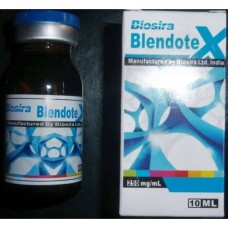
Products related to Bendamustine are primarily available in two major formats: injectable solutions and lyophilized powders that need reconstitution before administration. The injectable solutions are ready-to-use formulations, which streamline the treatment process in clinical settings. On the other hand, lyophilized powders allow for flexibility in dosages, ensuring patients receive personalized treatment based on their specific medical conditions and requirements.
In terms of presentation, these products come in various strength concentrations to accommodate different patient needs. Healthcare practitioners often evaluate the patient's body surface area and specific oncological circumstances to determine the appropriate dosage form. This consideration in the formulation not only aids in optimizing therapeutic outcomes but also minimizes potential adverse effects associated with improper dosing.
Why Choose Bendamustine Over Other Treatment Options
When considering cancer treatment alternatives, Bendamustine stands out from other chemotherapy agents due to its dual-action properties and unique mechanism of action. Unlike many traditional chemotherapeutics, which primarily function as either alkylators or antimetabolites, Bendamustine offers a combination of both, leading to a more comprehensive approach in battling cancer. This dual functionality makes it particularly effective against certain types of malignancies that may resist single-action treatments.
Furthermore, Bendamustine is often better tolerated than some traditional chemotherapies, with a different side effect profile that can be advantageous for many patients. While standard chemotherapy may involve severe side effects such as nausea, hair loss, and significant immunosuppression, Bendamustine may present a more manageable experience, allowing patients to maintain a better quality of life during treatment.
Long-term Effects, Results, and Safety Considerations
The long-term effects of Bendamustine can vary depending on individual patient factors, including cancer type, stage of the disease, and overall health. However, studies have shown that patients receiving Bendamustine often experience durable responses, leading to extended remission periods. Importantly, while the efficacy of this treatment is significant, it is essential to note contraindications. Individuals who are pregnant or breastfeeding should avoid Bendamustine, as its impact on fetal development and nursing infants is not well understood. Additionally, patients with severe renal or hepatic impairment may also be unsuitable candidates for this treatment option and should explore alternatives under the guidance of healthcare professionals.
Other potential considerations may involve ongoing monitoring for blood count abnormalities, as Bendamustine can affect bone marrow function, leading to a higher risk for infections and bleeding. Patients who fall into vulnerable populations must discuss these factors thoroughly with their healthcare providers.
Practical Advice for Choosing and Using Bendamustine Products
When selecting products within the Bendamustine category, it is imperative to consult healthcare professionals with expertise in oncology. They can provide tailored guidance on the most suitable formulation and administration method based on individual health profiles and treatment goals. Patients should also engage in discussions regarding their health history, current medications, and potential allergies to prevent adverse reactions.
Once prescribed, understanding the appropriate administration process and adhering closely to prescribed dosages can enhance treatment efficacy. It is crucial to maintain communication with healthcare providers throughout the treatment period, reporting any unusual symptoms or side effects promptly. Finally, considering supportive therapies and lifestyle modifications can further aid in achieving a successful treatment outcome while minimizing side effects related to chemotherapy.