
Understanding the Albuterol Category: Common Features and Working Principles
Albuterol is a widely-used medication primarily classified as a bronchodilator, designed to provide rapid relief from bronchospasm associated with conditions such as asthma and chronic obstructive pulmonary disease (COPD). Across all products in the Albuterol category, a common thread is their action on the beta-2 adrenergic receptors located in the bronchial tubes. By stimulating these receptors, Albuterol facilitates muscle relaxation within the airways, leading to dilation and improved airflow. This mechanism not only aids in alleviating acute respiratory distress but also enhances the physical quality of life for individuals suffering from respiratory conditions.
Key features inclusive of all Albuterol products are their quick onset of action, typically within minutes, and their extended shelf-life, making them reliable options for both emergency relief and long-term management. These products come with various formulations, including inhalers, nebulizers, and oral tablets, providing flexibility for patients' diverse needs and preferences.
Forms of Albuterol Products
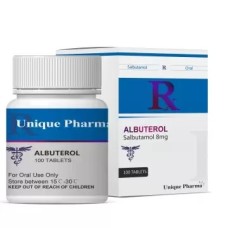
Albuterol is available in several forms to cater to different patient requirements and scenarios. The most common forms include metered-dose inhalers (MDIs), nebulizer solutions, and oral tablets. Metered-dose inhalers are particularly popular due to their portability and ease of use. They deliver precise doses directly to the lungs, empowering patients to manage their symptoms effectively.
Nebulizers, which convert liquid medication into a mist, are more suited for individuals who find inhalers challenging to use or require a higher dose of medication. Oral tablets provide an alternative for patients who may prefer a non-inhaled medication, although they typically take longer to work compared to inhalation methods. Each form has its unique benefits, allowing healthcare providers to tailor treatment plans based on the specific needs of the patient.
Main Differences from Other Medication Categories
Albuterol products differ significantly from other categories of respiratory medications, such as corticosteroids and leukotriene antagonists. While corticosteroids work by reducing inflammation in the airways, Albuterol provides immediate muscle relaxation to ease bronchoconstriction. This distinction is crucial as it highlights Albuterol's role as a rescue medication, contrasting with maintenance treatments that aim to prevent symptoms over time.
The specificity of Albuterol for beta-2 receptors limits its side effects compared to other bronchodilators, making it a safer choice for many patients. This targeted action allows users to quickly alleviate symptoms without the systemic effects that other medications might induce. Therefore, when searching for fast relief from asthma attacks or other bronchospasm-related symptoms, Albuterol is often the preferred option for patients and healthcare providers.
Long-Term Effects and Considerations for Using Albuterol
The long-term use of Albuterol can lead to improved respiratory function and quality of life for many individuals. However, it is essential to recognize that Albuterol is not a medication for continuous use. Over-reliance can lead to decreased effectiveness over time, a phenomenon known as tachyphylaxis. Therefore, Albuterol should primarily serve as a rescue inhaler, while other strategies should be employed for long-term management, such as inhaled corticosteroids or lifestyle modifications.
It’s crucial to note that certain populations should exercise caution when using Albuterol. Pregnant women, especially during the first trimester, individuals with cardiovascular disorders, or those with particular metabolic conditions, should consult healthcare providers before starting treatment. Additionally, children with underlying health issues may need more careful monitoring while using this medication.
Practical Advice for Using Albuterol Products
When starting with Albuterol products, consulting with a healthcare professional is a critical first step. They can provide guidance tailored to the individual’s condition and ensure correct inhalation techniques or dosing. It’s vital to follow the prescribed dosage closely and to avoid exceeding the recommended frequency of use to mitigate the risk of adverse effects.
Choosing the right form of Albuterol also plays a significant role in effective management. Patients should consider their lifestyle, ease of use, and the recommendation of their healthcare provider when selecting between inhalers, nebulizers, or tablets. Furthermore, keeping the medication readily accessible and understanding the signs that necessitate its use can empower patients to take control of their respiratory health.
Lastly, maintaining a regular check-up schedule with healthcare providers can ensure that treatment plans remain effective and adjustments can be made as needed based on the progression of the individual’s respiratory condition.