
Understanding the Benefits of Azelaic Acid
Azelaic Acid products share a core functionality that revolves around their ability to promote clearer, healthier skin. Known for its multi-faceted benefits, Azelaic Acid acts as an anti-inflammatory, antioxidant, and antibacterial agent, making it a versatile option for various skin concerns. The primary characteristic uniting all products containing Azelaic Acid is their effectiveness in treating conditions such as acne, rosacea, and hyperpigmentation. They work by exfoliating the skin, unclogging pores, and reducing the formation of keratin, a substance that can contribute to breakouts. In addition, Azelaic Acid helps to balance skin tone and reduce redness, which makes it suitable for individuals with sensitive skin as well.
Formats and Varieties of Azelaic Acid Products
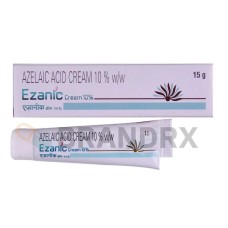
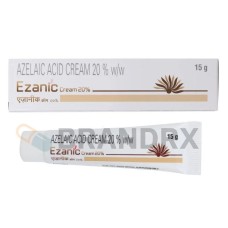
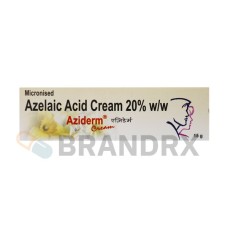
Azelaic Acid products are available in various formats to cater to different skin types and preferences. These include creams, gels, foams, and serums. Each format offers unique benefits; for instance, creams are often more moisturizing and feel luxurious on the skin, while gels and foams may provide a lighter texture that absorbs quickly, making them ideal for oily or acne-prone skin. Additionally, some formulations may blend Azelaic Acid with other beneficial ingredients such as niacinamide or salicylic acid, enhancing their efficacy and targeting specific skin issues. The diversity in formats allows users to choose a product that best fits their lifestyle and skincare routine.
Why Choose Azelaic Acid Over Other Treatments?
When compared to other active ingredients like benzoyl peroxide or salicylic acid, Azelaic Acid presents a gentler yet effective solution for those seeking relief from acne and rosacea without the harsh side effects commonly associated with other treatments. Unlike some harsher alternatives, it can effectively reduce inflammation and kill bacteria while being less irritable to the skin. This makes Azelaic Acid an excellent choice for individuals who have sensitive skin or conditions that call for a less aggressive approach. Moreover, its multifunctional properties offer a wide range of skin benefits beyond acne treatment, such as lightening dark spots and improving overall skin texture. Thus, users looking for an all-around skincare solution should consider Azelaic Acid as a key component in their regimen.
The Long-Term Benefits of Using Azelaic Acid
Regular use of Azelaic Acid can lead to significant long-term improvements in skin health. Not only can it reduce the appearance of acne and rosacea, but it can also promote a more even skin tone and texture over time. Users may notice a brightening effect, minimized dark spots, and reduced redness with consistent use. However, it is crucial to note that while Azelaic Acid can be beneficial to many, it may not be suitable for everyone. Pregnant women or those trying to conceive should consult a healthcare provider before using Azelaic Acid due to the lack of comprehensive studies on its safety during pregnancy. Additionally, individuals with specific skin conditions or those who are sensitive to acids should conduct a patch test before embracing it fully in their skincare routine.
Choosing the Right Azelaic Acid Product and Usage Tips
When selecting an Azelaic Acid product, consider your skin type and specific needs. For instance, if you have oily skin, a lightweight gel formulation may be more suitable, whereas dry skin types may benefit more from a cream. Always review the concentration of Azelaic Acid in the product, generally ranging from 10% to 20%, and select a strength that aligns with your skin sensitivity and treatment goals. It's advisable to start with a lower concentration and gradually introduce the product into your routine to determine how your skin reacts. Additionally, applying Azelaic Acid in the evening, after cleansing and before moisturizing, can optimize its benefits. For those using it during the day, incorporating sunscreen is essential to protect the skin from UV damage, as some treatments can increase sensitivity to sunlight.