

Understanding the Rasagiline Category: Mechanisms and Common Features
The Rasagiline category encompasses a specific class of medications designed primarily for the treatment of Parkinson's disease. All products in this category share a common mechanism of action, focusing on the inhibition of monoamine oxidase B (MAO-B), an enzyme that breaks down dopamine in the brain. By blocking this enzyme, Rasagiline enhances the levels of dopamine, which is crucial for movement and coordination. Users benefit from this increased dopamine availability, leading to improved motor function and a reduction in the symptoms associated with Parkinson’s disease, such as tremors, stiffness, and bradykinesia.
Key features common to Rasagiline products include their oral administration forms, a prolonged duration of action, and a relatively favorable side effect profile. They are typically taken once daily, which aids compliance and ensures that patients can manage their symptoms effectively without multiple daily dosages. Additionally, Rasagiline has been shown to offer neuroprotective properties, which may contribute to slower disease progression, making them invaluable in long-term treatment regimens.
Types and Forms of Products in the Rasagiline Category
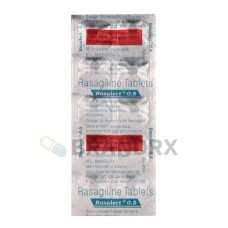
Within the Rasagiline category, the primary form available is oral tablets. Rasagiline is often prescribed in a dosage of 1 mg daily and can be taken with or without food. This oral formulation allows for easy administration and is designed to ensure consistent plasma levels, providing stable therapeutic effects throughout the day.
While there are various formulations of Rasagiline, including immediate-release and potentially other developed forms, the main product remains the tablet. Each product is subject to rigorous testing and quality control to ensure it meets safety and efficacy standards. As researchers continue to explore new delivery methods, there may be future enhancements on the horizon, but currently, the oral tablet is the standard form found in the Rasagiline category.
Rasagiline: Distinctions from Other Treatment Categories
Rasagiline sets itself apart from other Parkinson's disease medications such as levodopa and dopamine agonists through its unique mechanism of action and therapeutic focus. While levodopa serves as a precursor to dopamine, Rasagiline actively prevents its breakdown, leading to different effects on symptom control and disease management. This difference can result in varying experiences in symptom relief and side effects among patients.
Moreover, Rasagiline is often utilized as part of a combination therapy alongside other medications to enhance overall therapeutic efficacy while minimizing the risk of developing motor fluctuations associated with levodopa therapy alone. Patients considering Rasagiline for their treatment regimen may benefit from its ability to stabilize symptoms with minimal daily dosing compared to some other treatment options.
Long-Term Effects and Considerations of Rasagiline Products
Long-term use of Rasagiline has shown promising effects on both symptom management and potential slowing of Parkinson's disease progression. However, potential users need to be aware of certain contraindications. Rasagiline is not recommended for pregnant women, children, or individuals with severe liver disease. Patients taking other medications that may interact with Rasagiline, including certain antidepressants, should also exercise caution.
Common side effects associated with Rasagiline include headache, nausea, and increased risk of serotonin syndrome when combined with other serotoninergic drugs. It's essential for users to have an in-depth consultation with their healthcare provider to ensure the suitability of Rasagiline, especially considering any pre-existing medical conditions or concurrent medication usage.
Practical Tips for Choosing and Using Rasagiline Products
When selecting Rasagiline products, it is crucial to consult with a healthcare provider who can assess your specific condition and recommend the most appropriate treatment plan. Starting Rasagiline should be a gradual process, often beginning with lower doses to gauge tolerance and effectiveness. Patients should maintain open communication with their doctors, reporting any adverse reactions or changes in symptoms promptly.
In terms of administration, patients should adhere strictly to the prescribed dosage to avoid any risk of drug interactions and optimize therapeutic outcomes. Additionally, maintaining a consistent routine when taking medication can help improve its effectiveness and reduce fluctuations in symptom control. Engaging in regular follow-up visits allows healthcare providers to monitor progress and make necessary adjustments to the treatment plan as needed.
By understanding the unique features of Rasagiline and consulting closely with healthcare professionals, patients can make informed decisions about their Parkinson's disease treatment, ultimately leading to enhanced quality of life and improved symptom management.