
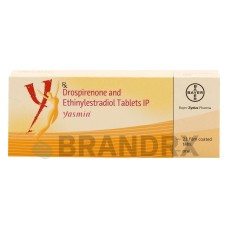




Contraceptive drugs: An Overview and Main Purpose
Contraceptive drugs represent a crucial category within reproductive health management, designed primarily to prevent pregnancy. These medications play an essential role in enabling individuals and couples to control their reproductive choices effectively. The use of contraceptive drugs varies widely, encompassing various forms of hormonal and non-hormonal methods. In the United States, this category includes birth control pills, patches, injectables, and emergency contraceptives, among others. Each type of contraceptive drug is formulated to achieve the primary goal of preventing ovulation, fertilization, or implantation of a fertilized egg, making them vital tools for family planning.
Besides their primary function, many contraceptive drugs also offer additional health benefits, such as regulating menstrual cycles, alleviating symptoms associated with premenstrual syndrome, and reducing risks associated with certain reproductive health conditions. This comprehensive approach to reproductive health makes contraceptive drugs integral not only for achieving desired family outcomes but also for enhancing overall health and well-being.
Typical Users and Contexts
Contraceptive drugs are primarily utilized by sexually active individuals and couples seeking to prevent unintended pregnancies. The users of these drugs range from young adults making informed decisions about family planning to older women seeking to manage their reproductive health as they approach menopause. It is important to note that the decision to use contraceptive drugs often depends on various factors, including personal health, lifestyle, relationship dynamics, and individual or cultural attitudes toward family planning.
Contexts in which contraceptive drugs are commonly applied include private partnerships and marriages, where couples may actively choose to space or limit their children. Additionally, contraceptive drugs are often sought by individuals who may wish to postpone pregnancy due to career or educational pursuits. Health care providers also frequently prescribe these medications as part of broader health care strategies to manage specific medical conditions, such as polycystic ovary syndrome or endometriosis, which are prevalent in reproductive-age women.
Strengths and Distinguishing Characteristics of Contraceptive Drugs
Contraceptive drugs stand out from other contraceptive methods like barrier or natural family planning methods due to their unique strengths and characteristics. One of the main advantages is their efficacy rate, with many contraceptive drugs providing a higher level of pregnancy prevention when used correctly compared to traditional methods. This reliability is an essential aspect for users who prefer to ensure a high level of control over their reproductive health.
Another distinguishing feature is their ease of use. Many contraceptive drugs, such as birth control pills, can be taken orally on a daily basis, while others, such as the contraceptive patch or injectables, require less frequent administration, which can enhance adherence. Additionally, the hormonal nature of many contraceptive drugs can offer several non-contraceptive health benefits, such as skin improvement and menstrual cycle regulation, which further increases their appeal to users.
The variety in forms and presentations of contraceptive drugs allows for personalized health care approaches, catering to individual preferences and medical needs. This adaptability makes contraceptive drugs an essential choice for many individuals seeking to incorporate effective family planning into their lives.
Benefits of Contraceptive Drugs
Contraceptive drugs provide numerous benefits that extend beyond mere pregnancy prevention. The following points outline the key advantages that make these medications a popular choice for many:
- Highly effective at preventing unintended pregnancies when used correctly.
- Regulate menstrual cycles and reduce menstrual cramping.
- Help manage symptoms of conditions like polycystic ovary syndrome and endometriosis.
- Can improve skin conditions such as acne.
- Offer convenience with options for daily, weekly, or monthly administration schedules.
- May provide protection against certain types of ovarian and endometrial cancers.
- Foster reproductive autonomy, allowing individuals to make informed choices about family planning.
- Support overall health by enabling women to manage their reproductive health in coordination with their life goals.
These advantages contribute to the widespread acceptance and use of contraceptive drugs in various demographic groups across the United States.
Considerations Before Choosing Contraceptive Products
While contraceptive drugs offer substantial benefits, prospective users should keep in mind several important considerations before selecting a product from this category. First, consulting a healthcare provider is essential to ensure that the chosen contraceptive method aligns with their health profile, especially considering pre-existing medical conditions or potential contraindications. Factors such as age, smoking status, and personal health history may influence the choice of contraceptive drugs.
Certain contraindications for specific contraceptive drugs include a history of blood clots, certain cancers, liver disease, and uncontrolled hypertension, among others. These factors can determine whether hormonal contraceptives are appropriate, as they may pose risks under certain medical conditions. Users should also be aware of potential side effects, including mood changes, weight fluctuation, and nausea, which may vary by individual.
In summary, while contraceptive drugs play an essential role in reproductive health management, prospective users should consult with a healthcare professional to ensure informed decision-making and safety in their contraceptive choices.