Understanding Minoxidil Goals and Misconceptions
Minoxidil is a topical treatment that has gained popularity among individuals seeking to address hair loss and thinning. Typical users have varying goals, from wanting to restore a full head of hair to simply wishing to thicken their existing strands. Many individuals turn to Minoxidil with high hopes of achieving immediate and dramatic results. However, it is essential to understand that like any treatment, Minoxidil requires time and consistency. Users often expect to see significant improvement overnight, but the truth is that hair regrowth typically occurs gradually over several months of application.
Common misunderstandings about Minoxidil include the belief that it works for everyone, regardless of the underlying cause of hair loss. While Minoxidil can be effective for androgenetic alopecia or pattern baldness, it may not be as beneficial for other forms of hair loss, such as alopecia areata or scarring alopecias. This distinction is crucial, as prospective users must take their specific condition into account when considering Minoxidil as a treatment option. Additionally, some users may mistakenly believe that once they stop using Minoxidil, the benefits will permanently remain. In reality, discontinuation often leads to a reversal of any progress made, highlighting the necessity of ongoing use for sustained results.
Mechanism and Efficacy of Minoxidil Treatment
Minoxidil functions by stimulating hair follicles, increasing blood flow to the scalp, and revitalizing shrunken hair follicles. The exact mechanism through which Minoxidil promotes hair growth remains somewhat unclear, but its vasodilatory effects are well-documented. This is a key factor to consider, as improved blood circulation can deliver essential nutrients and oxygen to the hair follicles, thereby fostering an environment conducive to hair regeneration.
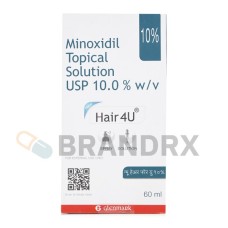
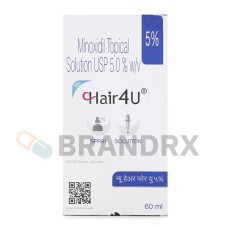
When using Minoxidil, several parameters must be considered to optimize its efficacy. The concentration of Minoxidil in the solution is one critical factor. While higher concentrations may provide increased effectiveness for some users, this is not universally true and can lead to side effects. Furthermore, proper application technique is paramount. Ensuring that the solution reaches the scalp rather than simply sitting on the hair can significantly enhance absorption and results. Consistent usage according to guidelines is another aspect that plays a vital role in the treatment's success.
Comparing Minoxidil to Other Hair Loss Solutions
In the realm of hair loss treatments, Minoxidil stands alongside other categories, such as finasteride and various surgical options. While Minoxidil is a topical solution, finasteride is an oral medication that prevents hair loss by inhibiting the hormonal pathway responsible for androgenetic alopecia. While the two can be seen as complementary, they operate on fundamentally different principles—Minoxidil focuses on external stimulation, while finasteride takes a more internal approach.
Surgical solutions, like hair transplantation, represent another alternative. These procedures can yield immediate and noticeable results, albeit with higher upfront costs and varying levels of invasiveness. Unlike Minoxidil, which requires ongoing application to maintain results, surgical options can provide permanent solutions, though they also come with their own risks and recovery processes. Understanding these foundational differences can help users make informed decisions tailored to their specific hair loss situations.
Limitations and Consultation for Minoxidil Use
Despite its widespread use, Minoxidil comes with certain limitations and contraindications that users must be aware of. First and foremost, it is not suitable for everyone. Individuals with specific medical conditions, especially those with heart issues, should consult their healthcare provider before starting Minoxidil. Additionally, those who are pregnant or nursing should avoid this treatment, as the safety profile in these situations remains unclear.
Another critical aspect to consider is the potential for side effects associated with Minoxidil. Some users may experience scalp irritation, itching, or unexpected hair shedding during the initial weeks of treatment, which can be alarming. These effects are typically temporary as the body adjusts to the treatment, but facing them without proper knowledge can deter users from persistence. Professional consultation is essential to navigate these concerns effectively, ensuring that users fully understand both the benefits and risks involved.
Navigating the World of Minoxidil Products
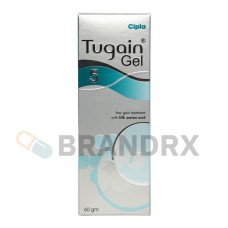
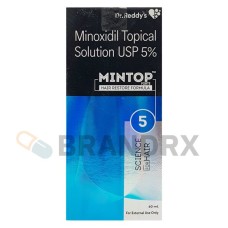
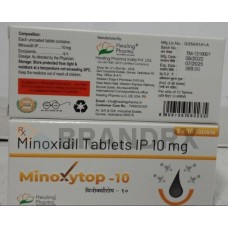
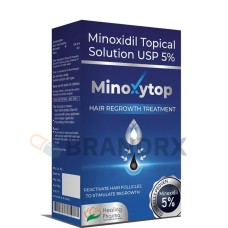
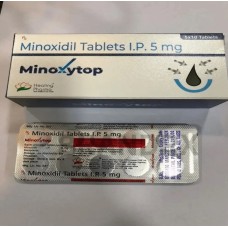
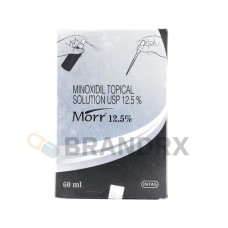
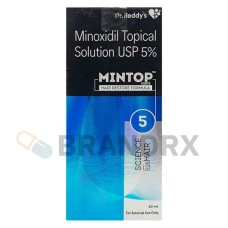
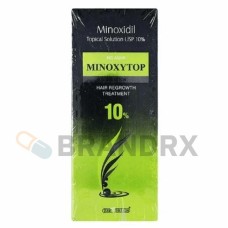
As you explore the category of Minoxidil products, it is important to approach the available options with informed perspectives. Products vary significantly not just in concentration but also in formulation—some may include additional ingredients aimed at enhancing effectiveness or soothing the scalp. Taking the time to read product descriptions, reviews, and verified user experiences can help guide your choices, making it easier to find the most suitable product based on personal needs.
Furthermore, consider the importance of setting realistic expectations and timelines. Hair growth can be a slow process, and building patience and understanding into your routine is crucial. Whether you have just begun your journey with Minoxidil or are considering it anew, this category page offers valuable resources for understanding how these treatments function, what alternatives exist, and how to navigate your personal hair care regimen effectively.