
Key Features of Conjugated Linoleic Acid and Its Advantages
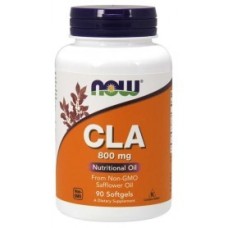
Conjugated Linoleic Acid (CLA) is a unique fatty acid found primarily in meat and dairy products. It has garnered considerable attention in the health and wellness community for its potential benefits, making it a prominent category in nutritional supplements. CLA is not just your average fatty acid; it is a group of isomers of linoleic acid, which means that it has multiple forms, each exhibiting distinct effects on health. The primary advantages of Conjugated Linoleic Acid include its potential to promote fat loss, support muscle growth, improve metabolic health, and enhance overall body composition. It is particularly favored by athletes, bodybuilders, and health-conscious individuals looking to optimize their physical performance and appearance.
In the US market, CLA is available in various forms, including capsules, powders, and functional foods, catering to a diverse range of consumer preferences. As awareness about health and fitness rises, the demand for Conjugated Linoleic Acid continues to expand, leading to a dynamic marketplace filled with products claiming various health benefits. This growing interest translates to a wider selection for consumers and a significant opportunity for manufacturers and retailers alike. It is essential to understand the fundamental characteristics of Conjugated Linoleic Acid, its natural sources, and the intended use of these products to make informed purchasing decisions.
Positive Pharmacological Properties
Conjugated Linoleic Acid boasts a variety of pharmacological properties that contribute to its appeal as a dietary supplement. The key characteristics common to all products in this category include its anti-inflammatory effects, its role in promoting body fat reduction, and its potential to enhance metabolic rates. Studies suggest that CLA may help modulate body composition by decreasing fat mass and increasing lean muscle mass, making it a popular choice for weight management and bodybuilding.
- Pregnant women: Due to limited research on CLA's safety during pregnancy, it is recommended that pregnant women avoid consuming CLA supplements.
- Children: As CLA supplements are primarily studied in adults, the effects on children are not well understood, warranting caution and consultation with a pediatrician.
- Individuals with specific medical conditions: People with conditions such as diabetes, hypothyroidism, or those on blood thinners should consult their healthcare provider before using CLA as it may interact with certain medications or exacerbate existing health issues.
Overall, while Conjugated Linoleic Acid exhibits promising properties, it is crucial for consumers to be aware of these considerations and consult a healthcare professional as needed prior to incorporating CLA into their regimen.
Active Substance of Conjugated Linoleic Acid
The active substances in Conjugated Linoleic Acid are primarily the different isomers of linoleic acid, each contributing to its varied effects on human health. Modern trends in the production of CLA have leaned towards enhancing its bioavailability and efficacy. The development of advanced extraction techniques has allowed for the production of higher quality, more concentrated supplements. This approach yields products that can deliver more significant health benefits with lower dosages, catering to consumers seeking potency and effectiveness.
The technological advancements also include the formulation of CLA products in combination with other synergistic compounds, such as L-carnitine and green tea extracts, to amplify weight loss results and boost energy levels. As scientific research continues to evolve, new studies are uncovering additional benefits and applications for CLA, positioning it as a valuable resource for various health and fitness goals.
Who is Not Recommended to Use These Products
While Conjugated Linoleic Acid offers numerous benefits, the consumption of CLA should be approached with caution by certain groups. Factors influencing the safety and appropriateness of CLA usage primarily include individual health conditions and lifestyle factors. Here are the essential considerations:
- Individuals with allergies: Some people may have reactions to CLA supplements or to the fillers and additives commonly used in these products.
- Those with gastrointestinal issues: CLA can potentially cause digestive side effects such as diarrhea or upset stomach, especially at higher doses.
- Individuals preparing for surgery: CLA may impact blood clotting and should be avoided in the weeks leading up to a surgical procedure.
In summary, responsible usage guidelines should be followed, and individuals should seek guidance from healthcare professionals to determine if CLA supplementation aligns with their personal health needs.
Where to Purchase Conjugated Linoleic Acid in the USA
The market for Conjugated Linoleic Acid is robust and continually expanding, a reflection of consumer demand for effective dietary aids in health and fitness. Various retailers and online platforms offer an extensive array of CLA products, including branded supplements, health food stores, and specialty shops. The overall access to CLA has improved significantly, providing consumers with a myriad of choices from high-potency options to more affordable brands. As consumers become increasingly health-conscious, CLA positions itself as a valuable asset within nutritional supplements, contributing to improved health and wellness outcomes.
In conclusion, understanding the benefits, limitations, and purchase options for Conjugated Linoleic Acid can enhance consumer knowledge. By prioritizing quality and safety, individuals can harness the full potential of CLA to support their health and fitness objectives, navigating this thriving sector with confidence and informed decision-making.