
Understanding Allopurinol: Common Features and Principles
Allopurinol is a vital medication commonly used in managing conditions like gout and certain types of kidney stones. The products within the Allopurinol category share a crucial function: they effectively reduce uric acid levels in the body. This reduction is essential for preventing the formation of urate crystals, which can lead to severe pain and inflammation often associated with gout attacks. The mechanism by which Allopurinol operates involves inhibiting the enzyme xanthine oxidase, which plays a pivotal role in the production of uric acid.
Additionally, Allopurinol products come with a consistent safety profile, making them a preferred choice among healthcare professionals. Usually administered through oral tablets, these products are designed for ease of use, providing patients with a reliable option for daily management of their conditions. Key features of these products include their long half-life, which allows for once-daily dosing, and their ability to effectively manage chronic hyperuricemia, ensuring a better quality of life for users.
Forms and Types of Allopurinol Products
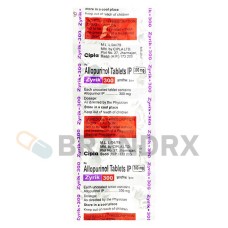
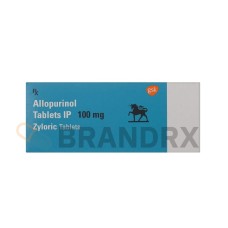
The Allopurinol category primarily consists of oral tablets, typically available in various strengths. These formulations are developed to cater to different patient needs and treatment regimens. Common dosages include 100 mg and 300 mg tablets, allowing physicians to tailor the treatment to each patient's specific requirements. The availability of multiple strengths ensures that healthcare providers can make necessary adjustments based on individual response to therapy.
In some cases, Allopurinol may also be available in combination with other medications aimed at treating conditions associated with high uric acid levels. Such combinations can enhance efficacy while potentially reducing the risk of side effects. While the standard form of administration remains oral tablets, ongoing research continues to explore alternative delivery methods to improve patient adherence and experience.
Distinctive Advantages of Allopurinol Products
What sets Allopurinol apart from other categories of medications is its specific action on uric acid production. Unlike anti-inflammatory drugs, which merely relieve symptoms, Allopurinol provides a targeted approach by addressing the underlying metabolic issue associated with hyperuricemia. This precision makes it particularly effective for individuals dealing with chronic conditions like gout, where maintaining normal uric acid levels is critical to preventing painful flare-ups.
Moreover, Allopurinol is favored for its long-term management capabilities. While many medications offer temporary relief, Allopurinol works to lower uric acid levels consistently over time, thereby reducing the risk of further complications. This distinguishes it from short-acting pain relievers or other traditional gout treatments, making it a cornerstone in chronic gout management.
Long-term Effects and Contraindications of Allopurinol
Long-term use of Allopurinol can lead to significant benefits, including a decrease in the frequency of gout attacks and a reduction in the likelihood of developing kidney stones. Patients often report a marked improvement in quality of life as uric acid levels stabilize and associated symptoms diminish. However, it is essential to note that Allopurinol is not suitable for everyone. Certain contra-indications exist, and these should be taken into account before starting treatment.
Individuals with a known hypersensitivity to Allopurinol or those with certain kidney disorders may not be ideal candidates for this medication. Additionally, pregnant or breastfeeding women should consult healthcare professionals to determine the suitability of Allopurinol for their specific situations. Careful assessment of medical history and current health status is crucial to avoid potential adverse effects and ensure safe use.
Practical Advice for Using Allopurinol Products
When considering the use of Allopurinol, it is vital to consult a healthcare provider to establish an appropriate dosage and regimen. Starting at a lower dose may be advisable, as this can help minimize the risk of side effects, especially during the initial stages of treatment. Regular monitoring of uric acid levels is recommended to assess efficacy and adjust dosages if necessary.
Additionally, maintaining a healthy lifestyle alongside Allopurinol treatment can enhance its effectiveness. This includes adhering to a balanced diet, staying hydrated, and avoiding purine-rich foods that may exacerbate hyperuricemia. Communication with a healthcare professional regarding any new symptoms or side effects experienced during treatment is also essential for optimal management.
Ultimately, the Allopurinol category represents a specialized approach to managing high uric acid levels and related conditions. Understanding its features, advantages, and proper usage can empower patients to make informed decisions about their health and treatment options.