






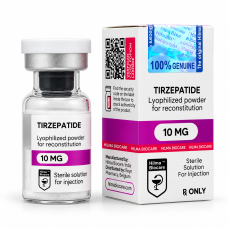




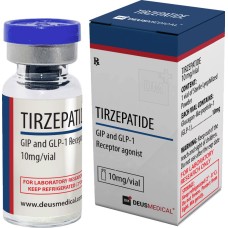













Tirzepatide: Understanding a New Class of Diabetes Treatment
Tirzepatide represents an innovative advancement in the field of diabetes management, specifically designed to assist in controlling blood sugar levels in individuals with type 2 diabetes. As a dual-action medication, it mimics the functions of two hormones in the body—glucagon-like peptide-1 (GLP-1) and glucose-dependent insulinotropic polypeptide (GIP)—which work together to enhance insulin secretion, reduce glucagon levels, and lower overall blood sugar concentrations. The primary purpose of Tirzepatide is to improve glycemic control while also addressing weight management, making it a versatile treatment option for patients struggling with obesity alongside diabetes. This medication is part of a new therapeutic approach that shifts focus from traditional treatments to a more holistic method of tackling multiple aspects of metabolic health.
Typical Users and Contexts of Application
Tirzepatide is primarily prescribed for adults diagnosed with type 2 diabetes. Typical users include individuals who have not achieved adequate glycemic control through lifestyle modifications or standard insulin therapy. This medication is particularly beneficial for patients who experience obesity-related challenges, as it not only targets blood sugar levels but also aids in weight reduction. The contexts in which Tirzepatide is applied often include outpatient clinics where diabetes management programs are in place. Healthcare providers may consider prescribing this medication to patients who are seeking a comprehensive solution to their metabolic health issues and are willing to integrate it as part of a broader management plan that may include dietary changes and physical activity enhancements.
The Strengths of Tirzepatide Compared to Related Treatments
One of the key strengths of Tirzepatide lies in its dual mechanism of action, combining the effects of GLP-1 and GIP, which contributes to greater efficacy in controlling blood glucose levels compared to many traditional treatments. Unlike conventional insulin therapies that may increase the risk of weight gain, Tirzepatide has shown the capability to assist users in achieving weight loss, thereby addressing two critical components of type 2 diabetes management simultaneously. Additionally, this medication is administered once a week via injection, which can improve adherence rates compared to daily medications. The convenience of a weekly administration is a significant advantage for busy individuals or those who may struggle with daily routines. Furthermore, clinical data indicates that Tirzepatide may have a favorable safety profile, allowing for a smoother integration into existing treatment plans with minimal side effects.
Key Advantages of Tirzepatide
- Enhances glycemic control through dual hormonal pathways, leading to a more comprehensive approach to diabetes management.
- Facilitates significant weight loss, which can be a critical factor for individuals with type 2 diabetes who are also dealing with obesity.
- Administered once a week, making it more convenient and easier to incorporate into daily life than medications that require more frequent dosing.
- Demonstrates a favorable safety profile with manageable side effects, providing peace of mind to patients and healthcare providers.
- Supports cardiovascular health, an important consideration for patients with diabetes who are at higher risk for heart-related conditions.
Important Considerations Before Choosing Tirzepatide
Before opting for Tirzepatide, it is essential for users to consult with a healthcare professional to ensure it is an appropriate choice for their specific health profile. Patients should be aware of potential contraindications, including a history of pancreatitis or certain thyroid conditions, as well as any existing allergies to the medication's components. Individuals with a family history of medullary thyroid carcinoma or multiple endocrine neoplasia syndrome type 2 should avoid this treatment due to potential risks. Additionally, monitoring for side effects such as gastrointestinal issues is crucial, particularly during the initial phase of treatment. It is advisable for patients to discuss their full medical history and current medications with their doctor to identify any possible interactions and to establish a comprehensive diabetes management plan tailored to their needs.