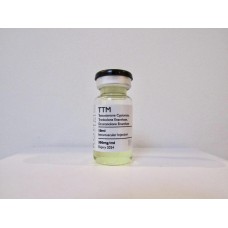

Tetrathiomolybdate: Unveiling the Benefits and Functionality
The Tetrathiomolybdate product category encompasses a range of specialized compounds designed for various applications, particularly in the realms of health and industry. Tetrathiomolybdate is a complex molecule that primarily functions as a chelating agent, helping to bind and neutralize certain metals in the body and environment. This ability to attach to heavy metals makes it a critical component for individuals needing to minimize toxicity and support detoxification processes. The key characteristics of this group include its high solubility, stability under various environmental conditions, and effectiveness in binding metal ions like copper, lead, and more. Whether used in therapeutic settings to treat Wilson's disease or in agricultural practices to improve soil health, Tetrathiomolybdate stands out for its multifunctional capabilities.
Types and Forms of Tetrathiomolybdate Products
Products in the Tetrathiomolybdate category are available in various formats to cater to different user needs and applications. The most common types include powders, capsules, and liquid formulations. Powders are often preferred for industrial applications due to their versatility in blending and ease of use in large-scale environments. Capsules are typically favored in health-related uses, providing a convenient way to administer precise dosages for therapeutic purposes. Liquid formulations may also be employed for more rapid absorption and targeted delivery. Each format offers specific advantages, allowing users to choose the type that best meets their requirements, whether for health improvement or environmental remediation.
Understanding Tetrathiomolybdate Compared to Other Categories
Tetrathiomolybdate distinguishes itself from related categories, such as general chelating agents, through its unique properties and applications. Unlike other chelators that may focus on one type of metal, Tetrathiomolybdate boasts a broader spectrum of metal binding capabilities, making it exceptionally versatile. For instance, many chelating agents primarily target heavy metals; however, Tetrathiomolybdate has shown efficacy in both therapeutic environments and agricultural practices. This compound not only helps in detoxification but can also enhance nutrient availability in the soil, thus supporting plant health. Users should consider Tetrathiomolybdate for its targeted action against copper accumulation, especially in patients suffering from Wilson's disease, and its dual functionality in both medical and environmental contexts.
Long-term Effects and Considerations for Tetrathiomolybdate Products
Utilizing products from the Tetrathiomolybdate category can yield significant long-term benefits for both health and environmental outcomes. In medical scenarios, prolonged use can lead to improved copper metabolism and reduced symptoms related to excess copper in the body. Additionally, Tetrathiomolybdate has been found to support overall detoxification pathways, enhancing the body's ability to eliminate various toxins over time. However, it is crucial to consult with a healthcare provider before initiating treatment, especially for vulnerable populations. Pregnant women, children, and individuals with pre-existing medical conditions such as liver disease or those currently on medications that interfere with metal metabolism may face contraindications. Ensuring that Tetrathiomolybdate is appropriate for individual health circumstances is essential to prevent adverse effects.
Selecting and Using Tetrathiomolybdate Products Effectively
When considering products from the Tetrathiomolybdate category, it is important to take several factors into account to ensure optimal selection and usage. First, assess the specific needs you wish to address—whether for health supplementation or agricultural applications. Look for high-quality products, ensuring they have been tested for purity and efficacy from reputable manufacturers. Understanding the dosing guidelines provided by health professionals or product instructions is crucial for effective use, particularly in therapeutic settings. For agricultural applications, incorporating Tetrathiomolybdate into soil based on the recommended amounts can lead to improved nutrient availability and plant health. Additionally, continuous monitoring of results can help in adjusting usage for better outcomes. Educating yourself about the specific dynamics of Tetrathiomolybdate and consulting with knowledgeable experts in either field can provide a comprehensive pathway towards utilizing these products effectively.