


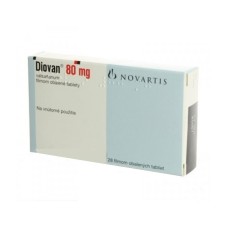

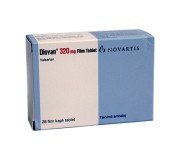
Valsartan: An Overview of Its Purpose and Functionality
Valsartan is a medication primarily classified as an angiotensin II receptor blocker (ARB). Its primary purpose is to manage hypertension, also known as high blood pressure, and to provide therapeutic support in heart failure management. By inhibiting the action of certain chemicals in the body that can constrict blood vessels, Valsartan helps to relax and widen blood vessels, allowing blood to flow more freely. This results in lower blood pressure levels and can significantly decrease the workload on the heart. Furthermore, Valsartan is often prescribed to reduce the risk of stroke and heart attack in certain high-risk populations.
Introduced in the medical market in the late 1990s, Valsartan has gained recognition not only for its effectiveness in lowering blood pressure but also for its positive impact on cardiovascular health. It is often used in conjunction with other medications to enhance overall treatment outcomes, making it a vital element in the management of various cardiovascular conditions.
User Profiles and Contexts for Application
Valsartan is commonly prescribed to adults aged 18 and above, particularly those diagnosed with hypertension or chronic heart failure. Typical users include individuals who may have previously experienced heart-related concerns, such as myocardial infarction or those at risk of developing heart disease. Patients with conditions such as diabetic kidney disease may also benefit from Valsartan due to its protective effects on the kidneys.
Healthcare professionals often assess patient profiles to determine the need for Valsartan during routine physical examinations, especially if a patient presents with elevated blood pressure readings. Furthermore, patients who are already involved in a comprehensive treatment plan for heart conditions may see Valsartan integrated into their regimen as a complementary therapy. In practice, Valsartan is prescribed both to first-time users and those transitioning from other antihypertensive medications in light of clinical findings that highlight the need for a more effective treatment option.
The Strengths and Distinctive Features of Valsartan
Valsartan stands out in the cardiovascular medication landscape due to several key factors. Firstly, its unique ability to selectively block the angiotensin II receptor leads to improved patient outcomes without the common side effects associated with many other antihypertensive agents, such as excessive coughing, which is often seen with ACE inhibitors. This makes Valsartan an excellent alternative for patients who are intolerant to ACE inhibitors due to their side effects.
Secondly, the efficacy of Valsartan in reducing cardiovascular morbidity and mortality has been substantiated by various clinical studies, establishing its role as a cornerstone in heart failure treatment. Its specific action of promoting vasodilation leads to remarkable results in managing not just blood pressure, but overall heart health, effectively improving left ventricular function in patients suffering from heart failure.
Moreover, Valsartan offers a convenient dosing schedule often recommended as once daily, providing an easier adherence pattern for patients in comparison to some other antihypertensive medications that require multiple doses throughout the day. This dosing convenience can contribute to better patient compliance and long-term health outcomes.
Benefits of Valsartan: A Comprehensive Overview
Choosing Valsartan presents several advantages, which can often lead to significant enhancements in patients' quality of life. These include:
- Hypertension Management: Valsartan effectively lowers high blood pressure, reducing the risk of serious cardiovascular events.
- Heart Failure Treatment: Its use improves survival rates and symptoms for individuals with chronic heart failure.
- Kidney Protection: It provides protective effects against kidney disease progression, particularly in diabetic patients.
- Minimal Side Effects: Valsartan is associated with fewer adverse effects compared to other classes of antihypertensive medications.
- Convenient Dosing: A once-daily regimen promotes better adherence among patients, enhancing treatment effectiveness.
The benefits associated with Valsartan can potentially lead to improved cardiovascular health, reduced healthcare costs related to managing complications from hypertension and heart disease, and an overall enhanced quality of life for patients.
Important Considerations When Choosing Valsartan
Before opting for products within the Valsartan category, there are some critical considerations to keep in mind. First and foremost, potential users should consult with a healthcare professional regarding pre-existing health conditions. Contraindications include those with a known allergy to Valsartan, patients with severe liver impairment, and those who are pregnant or planning to become pregnant, as it may pose risks to fetal development.
Additionally, patients currently taking other antihypertensive medications should disclose this information to their doctors to prevent interactions. Monitoring blood pressure and kidney function may be necessary during the course of treatment to ensure safety and effectiveness. Thus, a thorough discussion with a healthcare provider will facilitate an informed choice tailored to the individual’s health status and medical history.