

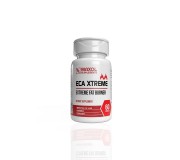
ECA Role in Sports Pharmacology
The ECA category, comprised of ephedrine, caffeine, and aspirins, plays a significant role in the domain of sports pharmacology. These compounds have gained popularity among athletes and fitness enthusiasts seeking enhanced performance, increased energy levels, and improved focus. Each component of ECA serves a distinct purpose, combining to create a compound that can potentially amplify workout efficiency and weight loss. Understanding the implications of using ECA products is essential for athletes striving for optimal performance while navigating safety and effectiveness.
One of the primary reasons ECA has garnered attention is its ability to stimulate the central nervous system. Ephedrine is known for its thermogenic properties, which can improve fat oxidation and increase metabolic rate. Caffeine provides an additional energy boost, enhancing alertness and reducing perceived exertion during workouts. Aspirin, while less directly involved in performance enhancement, aids in reducing inflammation and soreness, allowing for better recovery after strenuous activity. Together, these components create a synergistic effect that can significantly benefit those engaged in rigorous physical activities.
Dosage Scheme and Optimal Use
Using ECA products effectively requires an understanding of the appropriate dosage and timing for maximum efficacy. Typically, the recommended dosage involves taking a combination of ephedrine and caffeine, with some users choosing to add aspirin into their regimen. The standard ECA stack often consists of 25 mg of ephedrine, 200 mg of caffeine, and 81 mg of aspirin, although individual tolerance and sensitivity play a crucial role in determining the ideal dosage.
It is important to use ECA products judiciously and not exceed recommended dosages, as doing so can lead to adverse effects. Most users find it beneficial to take these supplements before workouts to leverage the energy-boosting and fat-burning properties effectively. Proper hydration and nutrition should accompany the use of ECA to maximize benefits and reduce the risk of side effects. Conceptually, ECA products unite under the common goal of enhancing physical performance through increased metabolic rate, energy levels, and endurance, making them appealing to a range of athletes and fitness-focused individuals.
Main Benefits of ECA
The ECA category presents a variety of benefits for individuals looking to heighten their performance in sports and fitness pursuits. The advantages of using ECA can translate into significant gains for those who are disciplined in their usage and mindful of their individual health profiles. The following are some core benefits associated with ECA products:
- Enhanced Fat Oxidation: ECA can aid in breaking down fat stores, making them more readily available for energy during aerobic exercise.
- Increased Energy Levels: The stimulant properties of caffeine and ephedrine can provide users with the energy needed to power through challenging workouts.
- Improved Focus and Alertness: Caffeine contributes to mental sharpness, helping users maintain concentration during workouts and competitions.
- Reduced Perceived Exertion: Users often report feeling less fatigued during exercise, allowing for longer and more intense workouts.
- Boosted Metabolic Rate: ECA can accelerate metabolism, potentially assisting in weight loss or maintenance when combined with diet and exercise.
These advantages make ECA a popular choice among those seeking an edge in their training regimens and overall fitness goals.
Contraindications and Important Limitations of Use
While ECA can offer substantial benefits, it is essential to recognize that these products also come with certain contraindications and safety considerations. Individuals with specific health conditions should avoid the use of ECA products, including those with heart disease, high blood pressure, thyroid disorders, or severe anxiety disorders. Pregnant and breastfeeding women are also advised against using ECA, as the effects on fetal development and nursing infants are not fully understood.
Potential side effects of ECA usage can include increased heart rate, elevated blood pressure, insomnia, and anxiety, particularly when taken in excess or without proper medical supervision. As with any supplement, consulting a healthcare professional before beginning use is crucial to ensure that it aligns with individual health profiles. Awareness of personal limits and being attentive to the body's signals are paramount for those choosing to incorporate ECA into their routine.
In conclusion, while ECA can offer significant advantages for enhancing athletic performance and supporting weight management goals, it is necessary to approach its usage with caution, understanding both its potential and limitations. By prioritizing safety and responsible use, athletes can maximize the benefits of this category without compromising their health.