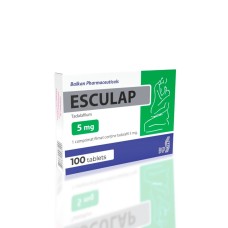
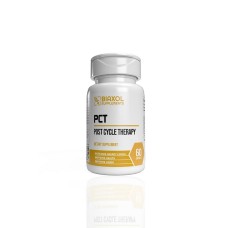
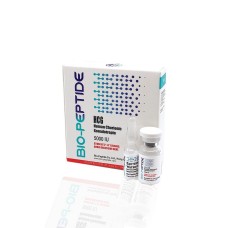
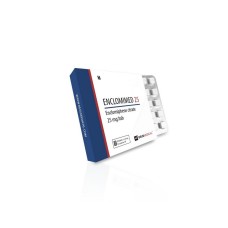
Understanding Post cycle therapy and Its Importance
Post cycle therapy is a crucial phase for individuals who have engaged in steroid cycles or other hormonal treatments. The primary goal of post cycle therapy is to aid the body in restoring its natural hormone balance after a period of external hormone supplementation. Many users often mistakenly believe that once they finish a steroid cycle, their bodies will automatically return to baseline hormone levels without any issues. This misconception can lead to various health issues, including hormonal imbalance, loss of gains, or lingering side effects from the hormonal products used.
Users typically aim for muscle retention, enhanced recovery, and the minimization of side effects associated with withdrawing from steroids. However, the journey toward achieving these objectives through post cycle therapy is often clouded by misinformation and varying personal experiences. Understanding the underlying mechanisms at work during this phase is essential for individuals seeking to ensure a smooth transition back to hormone balance.
How Post cycle therapy Works
To comprehend how post cycle therapy operates, one must recognize the biological processes involved in hormonal regulation. When individuals use anabolic steroids, they increase the levels of certain hormones, particularly testosterone. Prolonged use of these substances can cause the body’s natural testosterone production to decrease due to feedback inhibition on the hypothalamus and pituitary gland. This means that when synthetic hormones are introduced, the body perceives them as a signal to reduce its natural production of hormones.
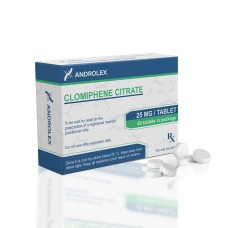
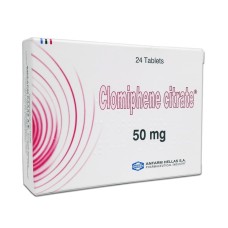
Post cycle therapy typically involves the administration of medications such as selective estrogen receptor modulators (SERMs) or aromatase inhibitors. These substances aim to stimulate the natural production of testosterone while blocking estrogenic activity, which may have been heightened during the steroid cycle. By using these drugs, individuals can facilitate the recovery of their hormonal axis and mitigate the risk of symptoms related to low testosterone levels, such as mood swings, fatigue, and loss of muscle.
The effectiveness of post cycle therapy can be influenced by several factors, including the type of steroids used, the duration of the cycle, the individual's age, and overall health. Understanding these parameters is vital for tailoring a post cycle therapy regimen that suits each person's unique situation.
Related Hormonal Categories and Their Differences
While post cycle therapy often gets discussed in conjunction with anabolic steroids, it’s important to differentiate it from other hormonal categories. Unlike hormone replacement therapy, which is often utilized to maintain hormonal levels in adults with deficiencies, post cycle therapy specifically addresses the body’s need to restore balance following a period of external hormone use.
Additionally, weight loss medications and bodybuilding supplements function under different principles. While these products may influence metabolism or aid in body composition, they do not aim to restore hormonal balance in the same way that post cycle therapy does. Understanding the distinctions between these categories can help users make informed choices about what course of action is appropriate for their specific goals.
Proficiency in the mechanics of post cycle therapy versus adjacent hormonal therapies highlights the need for specialized knowledge and careful consideration of potential outcomes. Each category has its unique implications on health, effectiveness, and the necessary support during and after use.
Considerations and Professional Guidance
Despite its benefits, post cycle therapy is not without limitations. Individuals may experience varying levels of success based on their unique physiology, the specific steroids used, and how they adhere to their post cycle therapy regimen. Additionally, some users may face contraindications, especially if they have underlying health conditions or are using other medications that might interact adversely with post cycle therapy substances.
Consulting with a qualified healthcare professional is crucial before initiating any form of post cycle therapy. A healthcare provider can assess individual health status, aid in selecting the right medications, and provide monitoring throughout the recovery process. The importance of professional guidance cannot be overstated, as improper use of therapeutics can lead to prolonged recovery times and undesired side effects.
Making educated decisions based on expert advice can enhance post cycle therapy's effectiveness while minimizing health risks, ensuring a more mindful approach to recovery.
Navigating the Post cycle therapy Category
Exploring the post cycle therapy category can feel overwhelming due to the numerous options and available information. It is essential to consider several ways to approach this subject matter effectively. Begin by familiarizing yourself with the different types of therapies and their methodologies to ascertain which aligns best with your needs.
Reading user testimonials and experiences can provide insight into what others have encountered, allowing for a clearer understanding of potential risks and rewards. Furthermore, comprehensive research on the pharmacology of the substances used during post cycle therapy will enhance one’s ability to make informed decisions.
Individuals should take time to assess their health status and discuss their plans with medical professionals before proceeding. This way, they can navigate the post cycle therapy world confidently and effectively, ensuring the chosen path contributes to achieving their health and fitness objectives.