








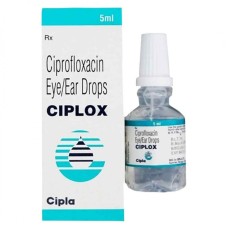


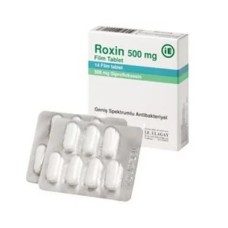


Antibacterial drugs: Understanding Their Role and Purpose
Antibacterial drugs are essential medications designed to fight against bacterial infections in humans and animals. Their core function is to inhibit the growth of bacteria or kill them entirely, thereby preventing the spread of infections. These drugs are a vital part of modern medicine, used in treating a wide range of illnesses from minor skin infections to severe diseases such as pneumonia and sepsis. By effectively targeting bacteria without affecting other organisms, antibacterial drugs play a crucial role in maintaining overall health and managing diseases.
Uses and Important Considerations
Antibacterial drugs are utilized in various situations, primarily when a bacterial infection is identified or suspected. Common scenarios include treating urinary tract infections, respiratory infections, skin infections, and more. These medications may be administered in hospitals, clinics, or at home, depending on the severity of the infection. It is important to note that while these drugs are powerful tools against bacterial infections, they are not effective against viral infections, such as the common cold or flu. For this reason, it is extremely important to seek professional medical advice before use to ensure that the correct treatment is prescribed and to avoid misuse that can lead to antibiotic resistance.
Is This Category Right for You?
Determining whether antibacterial drugs are the right choice entails understanding your specific health needs and the nature of your condition. A healthcare professional can provide guidance on the appropriateness of these drugs based on an individual's medical history and symptoms. Below is a list of key benefits and criteria to help you assess if antibacterial drugs may be suitable for you:
- You have been diagnosed with a bacterial infection.
- You are experiencing symptoms such as fever, pus formation, or persistent pain.
- Your healthcare provider has recommended treatment with antibiotics.
- You understand the importance of completing the full course as prescribed to ensure the infection is fully eradicated.
- You are aware of potential side effects and interactions with other medications you might be taking.
These factors can contribute to making an informed choice about using antibacterial medications.
Choosing the Right Antibacterial Product
When selecting an antibacterial drug, there are several factors to consider to ensure safe and effective treatment. First, a healthcare professional should determine which specific antibacterial is appropriate for your condition, as some bacteria may be resistant to certain antibiotics. It is also essential to look for dosage instructions, side effects, and the duration of the treatment course on the product label. Additionally, there are contraindications to be aware of, such as pregnancy, breastfeeding, or certain pre-existing health conditions like kidney or liver diseases. In such cases, alternatives may be recommended. Always consult a healthcare provider to discuss these factors to ensure the selected product is safe and suitable for your health situation.
Conclusion and Next Steps
In conclusion, understanding antibacterial drugs and their appropriate use is essential for effective treatment of bacterial infections. By being well-informed about when these medications are necessary, how to choose the right product, and the importance of consulting with a healthcare professional, you can ensure that you are taking the best possible steps towards recovery. If you believe you may benefit from this category of drugs, we encourage you to browse our range of antibacterial products available. Remember, your health is a priority, and making informed decisions about medication is crucial for your well-being.