
Understanding Apixaban: A Comprehensive Overview
Apixaban is a highly regarded anticoagulant medication primarily utilized for the prevention and treatment of thromboembolic events. This class of drugs is specifically categorized as direct Factor Xa inhibitors, which allows them to provide effective anticoagulation by selectively inhibiting the enzyme Factor Xa, a critical component in the coagulation cascade responsible for blood clot formation. The most common applications include the prevention of stroke in patients with atrial fibrillation and the treatment of deep vein thrombosis (DVT) and pulmonary embolism (PE). Apixaban is characterized by its rapid onset of action, predictable pharmacokinetics, and lack of the need for routine monitoring, making it a practical choice for patients and healthcare providers alike.
Forms and Release Types of Apixaban Products
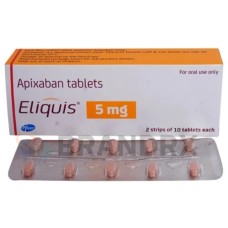
Apixaban is primarily available in oral tablet form, which is convenient and easy to administer. Typically, the tablets come in various dosages to accommodate diverse patient requirements. The most commonly prescribed strengths include 2.5 mg and 5 mg. Physicians adjust the dose based on the patient's specific medical conditions, renal function, and risk factors. The oral formulation allows for flexibility in treatment adherence, as patients can take the medication with or without food, contributing to a simplified treatment regimen. This user-friendly form of medication is essential in chronic disease management where continuous treatment is required.
Why Choose Apixaban Over Other Anticoagulants
Apixaban distinguishes itself from other anticoagulants, such as warfarin and heparin, primarily due to its unique mechanism of action and ease of use. Unlike warfarin, which requires frequent blood monitoring and dietary restrictions due to its interaction with vitamin K, Apixaban offers a fixed dosing regimen based on clinical indications, significantly improving the quality of life for patients. Furthermore, its rapid onset and offset of action provide greater flexibility in clinical scenarios, particularly for patients undergoing surgical procedures or those who experience bleeding complications. Additionally, Apixaban has a lower incidence of major bleeding events compared to traditional anticoagulants, making it a safer alternative for many patients. This combination of effectiveness, safety, and convenience makes Apixaban a compelling choice for managing thromboembolic disorders.
Long-term Effects and Considerations for Apixaban Use
Long-term use of Apixaban has been extensively studied, revealing its efficacy in preventing recurrent thromboembolism while maintaining an acceptable safety profile. However, like any medication, it has contraindications and considerations that users must be aware of before initiation. Apixaban is generally not recommended for individuals with active bleeding disorders, severe renal impairment, or those who have a known hypersensitivity to the drug or its components. Furthermore, pregnant women and nursing mothers should exercise caution, as the effects on fetal development or breast milk transfer are not well understood. It is advisable for patients with liver disease or those who are taking multiple medications that may interact with Apixaban to consult their healthcare provider to evaluate the risks and benefits of the treatment effectively.
Practical Advice for Starting Apixaban
When considering the initiation of Apixaban, it is crucial to have an informed conversation with a healthcare provider to tailor the treatment to individual health needs. Patients should discuss their complete medical history, including any ongoing treatments or health conditions that could potentially impact therapy. It’s also important to adhere to the prescribed dosage and schedule to maximize treatment efficacy while minimizing the risk of adverse effects. Patients should be educated on the signs of bleeding or thrombosis to recognize any complications early on. Regular follow-up appointments are vital to assess the treatment's effectiveness and make any necessary adjustments. Additionally, maintaining an open line of communication with healthcare providers and reporting any unexpected side effects can significantly enhance the overall treatment experience.