

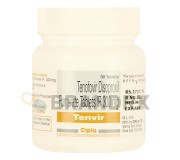
Understanding Tenofovir Disoproxil Fumarate Products
Tenofovir disoproxil fumarate (TDF) represents a category of pharmaceutical products designed primarily for the treatment and management of specific viral infections, particularly HIV and Hepatitis B. The fundamental principle uniting all products in this category is their role as nucleoside reverse transcriptase inhibitors (NRTIs). This mechanism is crucial for inhibiting the reverse transcription process of the virus, which is essential for the replication of the virus within the host's body. Moreover, TDF products are characterized by their potency, effectiveness, and wide range of dosing forms, catering to various patient needs. These products help maintain viral load at undetectable levels, thus significantly improving the quality of life and health outcomes for patients.
Available Formats of TDF Products
Products in the Tenofovir disoproxil fumarate category are primarily available in oral tablet and solution forms. The oral tablets can come in different strengths, providing flexibility in dosing to suit individual treatment plans. Additionally, the liquid formulation is particularly beneficial for those who may have difficulty swallowing pills or for pediatric patients. In some cases, TDF may also be combined with other antiretroviral medications in fixed-dose combinations, simplifying treatment regimens by reducing the number of pills a patient must take daily. This variety ensures accessible treatment options tailored to diverse patient demographics and preferences, enhancing adherence to therapy.
Key Differences Between TDF and Related Categories
When comparing Tenofovir disoproxil fumarate to other antiviral medications, a few distinctive traits come to light. TDF is specifically known for its high barrier to resistance, which means that with adherence to prescribed regimens, the probability of the virus developing resistance is significantly decreased. In contrast, other antiviral agents may have varying resistance profiles. Importantly, TDF also offers considerable safety and efficacy profiles in both treatment-naïve and treatment-experienced patients, making it a preferred option for many healthcare providers. Therefore, for individuals seeking effective management of HIV or Hepatitis B, TDF stands out due to its effectiveness, tolerability, and the convenience of administration.
Long-Term Effects and Considerations of TDF Use
Long-term use of products containing Tenofovir disoproxil fumarate can lead to significant clinical benefits, including sustained viral suppression and improved immune function among patients. However, it is crucial for users to be aware of potential long-term effects, such as renal impairment or bone density loss, which can occur, particularly in patients with pre-existing kidney issues or those on other nephrotoxic medications. TDF may not be suitable for certain groups, including pregnant women, as its effects on fetal development must be considered. Additionally, minors who are considering treatment for HIV or Hepatitis B should be addressed carefully under pediatric care. Consulting with a healthcare provider before initiating treatment is highly recommended to mitigate risks and ensure safe use.
Practical Guidance for Choosing and Using TDF Products
When selecting products within the Tenofovir disoproxil fumarate category, it is essential to prioritize factors such as dosage form, strength, and potential interactions with other medications. Patients should consult healthcare professionals to determine the most appropriate treatment plan tailored to their specific health needs. It is key to adhere strictly to prescribed dosages and timelines to foster the best outcomes and reduce the risk of resistance. Starting treatment may require routine monitoring by healthcare providers to assess liver and kidney functions, ensuring the patient's safety throughout the course of therapy. Education on lifestyle factors, such as nutrition and hydration, can further support the effective use of TDF and bolster overall health during treatment.