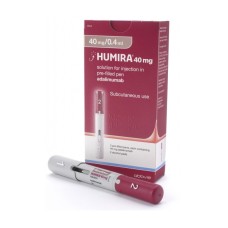










Adalimumab: Overview and Main Purpose
Adalimumab is a biologic medication primarily used in the treatment of various autoimmune diseases, including rheumatoid arthritis, inflammatory bowel disease, and psoriasis. It belongs to a class of medications known as monoclonal antibodies, which work by inhibiting tumor necrosis factor (TNF), a substance in the body that leads to inflammation and related symptoms. The main purpose of Adalimumab is to provide relief from chronic inflammatory conditions by reducing the immune system's overactive response. This allows patients to regain better control over their symptoms, improve their quality of life, and decrease the likelihood of disease progression.
Typical Users and Contexts for Use
The typical users of this category of medication include individuals diagnosed with various chronic inflammatory and autoimmune conditions. Patients suffering from rheumatoid arthritis, Crohn's disease, ulcerative colitis, and plaque psoriasis frequently turn to Adalimumab for management of their symptoms. Healthcare providers prescribe this medication when conventional treatment options have proven inadequate or are not appropriate due to the severity of the condition. Adalimumab is usually administered through subcutaneous injection, and the frequency of administration can range from once every two weeks to once every four weeks, depending on the specific condition being treated. Patients using this medication often do so in conjunction with lifestyle management strategies, physical therapy, and other supportive therapies to maximize treatment efficacy.
Strengths and Distinguishing Characteristics of Adalimumab
Adalimumab stands out in the landscape of autoimmune disease treatments due to its unique mechanisms of action and specific patient benefits. Compared to other TNF inhibitors, Adalimumab offers several strengths that make it a preferred choice for many healthcare providers. One notable characteristic is its ability to provide rapid symptom relief, which can be crucial for patients experiencing flare-ups. Additionally, Adalimumab is known for its favorable safety profile, allowing it to be prescribed in a broader range of patient demographics. Unlike some newer alternatives, Adalimumab has an established history of effectiveness and is heavily backed by clinical research, resulting in ongoing studies that further confirm its efficacy and safety. Furthermore, the accessibility of Adalimumab’s administration method brings additional convenience to patients, enabling self-administration which improves adherence to treatment regimens.
Key Advantages of Adalimumab
When considering the use of Adalimumab for treatment, it is essential to understand its key advantages. Here are some notable benefits associated with this medication:
- Effective symptom control in a variety of autoimmune conditions.
- Proven track record with extensive clinical research supporting its use.
- Convenient self-administration via subcutaneous injection, providing increased patient autonomy.
- Rapid action in alleviating inflammation and improving patient outcomes.
- Favorable safety profile with manageable side effects compared to other treatment options.
These advantages collectively contribute to Adalimumab being a popular choice among both healthcare professionals and patients. Its effectiveness, ease of use, and extensive research backing make it a valuable option in the realm of autoimmune disease management.
Important Considerations Before Choosing Adalimumab
While Adalimumab offers significant benefits, it is crucial for potential users to consider certain important factors before embarking on treatment. Patients should consult healthcare providers to assess personal health history, as there are contraindications associated with this medication. Individuals with a history of serious infections or those with active infections should avoid using Adalimumab due to its immunosuppressive effects. Additionally, patients may need to be screened for tuberculosis, as latent infections can become active under the medication's influence. Other considerations include potential interactions with other medications and the importance of adhering to follow-up appointments for monitoring treatment effectiveness. Transparency with healthcare providers about any underlying health conditions or concerns is essential to ensure a safe and effective treatment plan.