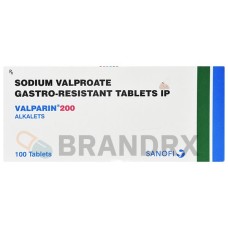

Valproic Acid: An Overview of Its Use and Purpose
Valproic acid is a crucial medication used primarily as an anticonvulsant and mood-stabilizing drug. Initially introduced for its ability to combat seizures, it has gained recognition for its effectiveness in treating various psychiatric conditions, including bipolar disorder and migraines. Valproic acid works by increasing the levels of gamma-aminobutyric acid (GABA) in the brain, a neurotransmitter that plays a significant role in calming neuronal activity. With its broad spectrum of utility, Valproic acid is considered a vital component in the pharmacological management of conditions characterized by excessive electrical activity in the brain or those requiring stabilization of mood.
Typical Users and Contexts of Application
The users of Valproic acid encompass a diverse range of individuals, particularly those experiencing epilepsy, bipolar disorder, and chronic migraines. Patients diagnosed with these conditions often find Valproic acid integrated into their treatment plans either alone or in combination with other medications. This category is commonly applicable in neuropsychiatric settings where healthcare professionals prioritize effective seizure control or mood stabilization for patients. Furthermore, it's frequently prescribed across various age groups, but particular caution and dosage adjustments are typically necessary for children and elderly patients. Valproic acid is available in multiple formulations, including tablets, capsules, and syrup, catering to different patient needs and preferences.
Strengths and Distinguishing Characteristics of Valproic Acid
Valproic acid offers several strengths that set it apart from other medications in the anticonvulsant and mood-stabilizing category. One distinguishing feature is its polypharmacological nature, allowing it to address not only seizures but also several other neurological and psychiatric conditions. Here are some key strengths:
- Broad therapeutic applications ranging from epilepsy to migraine prevention and bipolar disorder management.
- Rapid onset of action, providing quick symptom relief for acute episodes.
- Compatible with various other medications, often making it a suitable choice in polypharmacy practices.
- Established efficacy supported by extensive research and clinical trials, demonstrating positive outcomes in diverse patient populations.
- Availability in different forms enhances patient compliance and allows tailored treatment plans.
Benefits of Valproic Acid
The use of Valproic acid comes with numerous advantages that contribute to its popularity in clinical practice. Below is a list of key benefits of utilizing this medication.
- Effective seizure control, significantly reducing the frequency and severity of seizures in epilepsy patients.
- Stabilization of mood swings in individuals diagnosed with bipolar disorder, leading to improved quality of life.
- Reduction in the incidence of migraine headaches, providing significant relief for chronic migraine sufferers.
- Wide-ranging applicability across patient demographics, ensuring that many individuals can find relief with proper medical guidance.
- Generics and varied forms are available, providing cost-effective treatment options without compromising efficacy.
Considerations Before Choosing Valproic Acid
While Valproic acid presents many benefits, it is essential to consider several important factors before initiating treatment. Potential contraindications include hepatic impairment, known allergies, and specific metabolic disorders that may complicate treatment protocols. Additionally, women of childbearing age should discuss potential risks during pregnancy, as Valproic acid is associated with teratogenic effects. Regular monitoring of liver function and blood levels may be required to mitigate risks of toxicity, particularly in patients with preexisting health concerns. Always consult a healthcare provider to ensure that Valproic acid is the right choice for your specific health situation, and to discuss any possible interactions with other medications being taken.