








Vardenafil (Levitra Generic) role in sports pharmacology
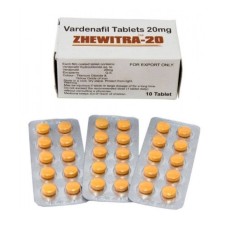
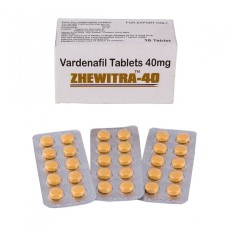
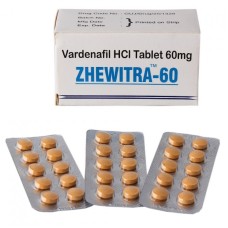
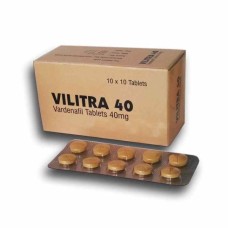
Vardenafil, commonly known as the generic version of Levitra, is a medication primarily used to treat erectile dysfunction (ED). However, its role extends beyond mere sexual health, making it pertinent in the field of sports pharmacology. Athletes often seek enhancements in physical performance and stamina, leading to the exploration of various substances like Vardenafil. This compound belongs to a class of drugs known as phosphodiesterase type 5 (PDE5) inhibitors, which function by increasing blood flow to specific areas of the body. For athletes, improved blood flow can translate into enhanced endurance and performance during strenuous activities.
The relevance of Vardenafil in sports pharmacology stems from its ability to promote vasodilation. The increase in vascular capacity can result in better oxygen delivery to muscles, potentially leading to extended endurance, quicker recovery times, and improved overall athletic performance. While initially prescribed for erectile dysfunction, the off-label use of Vardenafil is gaining traction among those in competitive sports, raising ethical questions around its use and potential classification as a performance-enhancing drug.
Dosage scheme and optimal use
When considering the use of Vardenafil, understanding the correct dosage scheme is crucial for ensuring effectiveness while minimizing potential risks. The recommended dosage for Vardenafil typically starts at 10 mg, which can be adjusted based on individual tolerance and effectiveness. The medication is generally taken about 30 to 60 minutes before anticipated physical activity, and it should not be taken more than once in a 24-hour period. This strategic timing maximizes its benefits, particularly in moments requiring enhanced physical performance.
One defining feature of products in this category is their shared mechanism of action as PDE5 inhibitors. They enhance performance by facilitating increased blood circulation throughout the body, primarily affecting erectile function but also benefiting users seeking improved athletic output. Proper use of Vardenafil includes being aware of individual health conditions, potential interactions with other medications, and overall physical health to ensure a safe experience.
Main benefits of Vardenafil (Levitra Generic)
The use of Vardenafil presents several notable benefits for individuals seeking both sexual health solutions and potential athletic enhancements. Below are some of the key advantages associated with this category:
- Improved blood flow leading to enhanced endurance and stamina during physical activities.
- Potential for quicker recovery times after high-intensity workouts, reducing fatigue.
- Increased oxygen delivery to muscles, which can enhance performance during strenuous exercises.
- Improved confidence and psychological benefits, especially in integrating physical performance with sexual health.
Given these advantages, it's essential for athletes and individuals to weigh the risks and potential benefits of using Vardenafil. Its dual capacity to address both sexual dysfunction and athletic performance improvement makes it a unique option in the broader context of pharmacological support.
Contraindications and important limitations of use
As with any pharmacological agent, safety considerations surrounding Vardenafil usage are paramount. Certain populations should exercise caution or avoid this medication altogether. Individuals who are currently taking nitrates for heart conditions should not use Vardenafil, as the combination can lead to dangerously low blood pressure. Furthermore, those with pre-existing cardiovascular conditions, severe liver or kidney issues, or individuals who have experienced a recent stroke or heart attack should also refrain from using it.
Additionally, it is crucial for users to consider potential interactions with other medications, including alpha-blockers and antihypertensives, which can further complicate blood flow and pressure management. Overall, while Vardenafil presents a compelling case for its role in sports pharmacology, being informed about its contraindications and limitations is essential for ensuring safe and effective use.