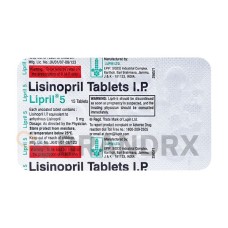





Lisinopril Overview and User Goals
Lisinopril is a widely prescribed medication that is commonly utilized for managing high blood pressure, treating heart failure, and preventing kidney damage in individuals with diabetes. Users of Lisinopril often seek to lower their blood pressure effectively, improve their overall heart health, and enhance their quality of life. Many patients may feel overwhelmed by the number of medications available and can harbor misconceptions about Lisinopril's effectiveness and safety. It's crucial for users to understand that while Lisinopril can significantly aid in managing chronic conditions, it is only one component of a broader health strategy that may include lifestyle changes such as diet and exercise.
Common misunderstandings among users may revolve around its speed of action; many anticipate immediate results, while Lisinopril often takes time to show effects fully. In addition, some users may confuse Lisinopril with other antihypertensive medications or believe it is suitable for all types of hypertension. Clarifying these misconceptions is essential for optimal use and ensuring the best outcomes from treatment.
Understanding How Lisinopril Functions
The mechanism of Lisinopril centers around its classification as an angiotensin-converting enzyme (ACE) inhibitor. By blocking the conversion of angiotensin I to angiotensin II, Lisinopril reduces the tension in blood vessels, allowing blood to flow more freely and ultimately lowering blood pressure. This function is particularly important for patients dealing with heart failure or at risk of cardiovascular events.
Several parameters play a crucial role in how Lisinopril works within the body. These include the dosage, frequency of intake, and the patient's unique health profile, including any other existing conditions or medications that may interact with Lisinopril. Dosage adjustments may be necessary based on a patient’s response to the medication, making regular follow-ups with a healthcare provider vital for achieving the best therapeutic outcomes.
Lisinopril and Related Categories of Treatments
When comparing Lisinopril to other categories of hypertension treatments, it's essential to consider the principles behind their action rather than specific brands. Other medications, such as calcium channel blockers or diuretics, also target hypertension but do so through different mechanisms within the cardiovascular system. For instance, calcium channel blockers work by preventing calcium from entering heart and blood vessel cells, leading to relaxation and reduced contraction strength. In contrast, diuretics focus on eliminating excess fluid through increased urine production, which ultimately lowers blood pressure.
Understanding these differences helps patients make informed decisions regarding their treatment options. Lisinopril, along with its ACE-inhibiting peers, stands out for its dual ability to manage blood pressure and protect renal function, especially in diabetics. Therefore, it's crucial for users to discuss with their healthcare providers which category of treatment is most suitable for their specific health conditions and lifestyle needs.
Limitations and The Importance of Professional Guidance
While Lisinopril is an effective medication for managing blood pressure and heart conditions, it is not without limitations and contraindications. Certain individuals may experience side effects, such as a persistent cough, elevation of potassium levels, or allergic reactions. Moreover, patients with a history of angioedema or those who are pregnant or planning to become pregnant are typically advised against using Lisinopril.
Before starting any new medication, including Lisinopril, it is imperative to consult with healthcare professionals. They can provide thorough evaluations based on individual health histories and potential interactions with other medications. Professional consultation ensures that patients understand their treatment plan and helps to navigate any adjustments that may be necessary over time. This proactive approach to healthcare is vital for minimizing risks and enhancing therapeutic outcomes.
Exploring the Lisinopril Category Page
Users interested in Lisinopril will find abundant resources available on this category page, offering insights into its uses, comparisons with alternative treatments, and guidelines for ensuring the best outcomes. Navigating through this page can help users access helpful information such as dosage guidelines, potential side effects, and the latest clinical studies related to Lisinopril's efficacy.
Additionally, visitors can explore patient testimonials and expert reviews to gain a broader understanding of how Lisinopril has influenced the lives of others. This information not only aids in making informed decisions but also fosters a supportive community among users. As you explore, remember that comprehensive knowledge about Lisinopril is essential, facilitating productive discussions with healthcare providers about managing personal health effectively.