
Atenolol: The Core Principles and Characteristics
Atenolol is a medication that falls within the category of beta-blockers, primarily used to manage cardiovascular conditions such as hypertension and angina. The unifying characteristic of all products in the Atenolol category is their ability to inhibit certain receptors in the heart and blood vessels, leading to a decrease in heart rate and blood pressure. This mechanism is beneficial in reducing the workload on the heart and improving its efficiency, particularly in patients with heart-related ailments. In addition to its cardiovascular benefits, Atenolol is also effective in preventing migraines and managing anxiety symptoms, thanks to its calming effects on the nervous system.
One of the key characteristics of Atenolol is its selective nature; it mainly targets beta-1 adrenergic receptors, which are predominantly found in cardiac tissue. This selectivity minimizes potential side effects compared to non-selective beta-blockers and makes it a preferred choice for many patients. Users can expect a longer duration of action from Atenolol, contributing to its efficacy in managing chronic conditions where steady levels of medication in the bloodstream are crucial. Overall, Atenolol's consistent profile makes it an essential tool in the therapeutic management of various cardiovascular disorders.
Types and Forms of Atenolol Products
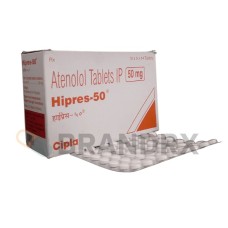
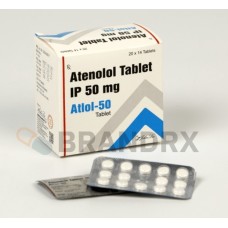
Atenolol is available in several forms, primarily as oral tablets and solutions. The oral tablets come in various dosages to accommodate individual patient needs, allowing healthcare providers to tailor prescriptions based on the severity of the condition being treated. Generally, Atenolol is offered in strengths of 25 mg, 50 mg, and 100 mg, making it flexible for dose adjustments to optimize therapeutic outcomes.
In addition to standard tablets, Atenolol can also be found in extended-release formulations, designed for patients who prefer or require a single daily dose. This is particularly beneficial for those who might struggle with adherence to more frequent dosing regimens. While the majority of Atenolol is dispensed as prescription medications, some variants may be available through specialized compounding pharmacies to meet unique patient requirements. The variety in forms and dosages contributes to its accessibility and versatility in treatment protocols.
Distinction of Atenolol from Related Categories
When comparing Atenolol to other beta-blockers or antihypertensive medications, several key differences stand out. For instance, non-selective beta-blockers may affect both beta-1 and beta-2 receptors, potentially leading to side effects such as respiratory issues in patients with asthma. In contrast, Atenolol's selective action focuses on the heart, making it suitable for a broader range of patients without the same level of risk for such side effects.
Furthermore, Atenolol is often favored for its longer half-life, allowing for convenient once-daily dosing, which can enhance adherence and improve patient outcomes. Additionally, it is clinically validated for the management of both hypertension and angina, giving it an edge for patients with coexisting conditions. Due to these distinct features, individuals seeking effective cardiovascular management should strongly consider Atenolol as a viable option tailored to their specific health goals.
Long-Term Effects and Considerations
Long-term use of Atenolol has been associated with significant improvements in cardiovascular health, leading to reduced risks of heart attacks and strokes. Over time, many users report positive results such as lowered blood pressure, decreased heart rate, and improved exercise tolerance, contributing to a better quality of life. However, it is essential to be aware of certain contraindications related to the use of Atenolol.
Individuals with specific medical conditions, such as severe bradycardia (slow heart rate), certain types of heart block, or asthma, might experience adverse effects when using this medication. Pregnant women and nursing mothers should consult healthcare providers before starting Atenolol, as its safety in these populations is not well established. Monitoring and regular follow-ups with a medical professional are crucial during long-term use to ensure continued safety and effectiveness.
Choosing and Using Atenolol Effectively
When selecting Atenolol, the first step is to consult a healthcare provider to determine the appropriate dosage and form that aligns with your medical needs. It's vital to disclose your complete medical history, including any concurrent medications, to avoid potential interactions. Once prescribed, it's essential to follow the dosage recommendations precisely and maintain regular appointments for health monitoring.
Patients are encouraged to adopt lifestyle changes alongside medication to optimize treatment outcomes. Engaging in a heart-healthy diet, regular exercise, and stress management techniques can enhance the benefits of Atenolol. If you experience any side effects or changes in your condition, communicate these with your healthcare provider. By maintaining open lines of communication and diligently adhering to your medication regimen, you can maximize the potential advantages of Atenolol in managing your cardiovascular health.