
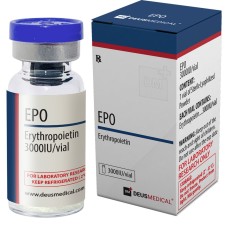
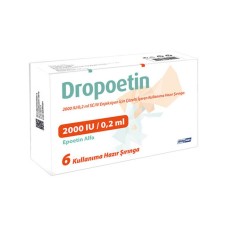

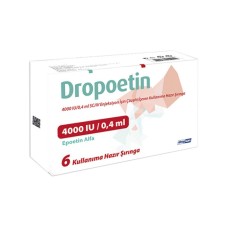
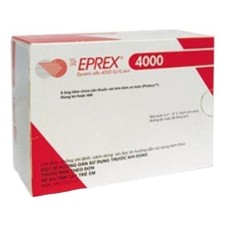
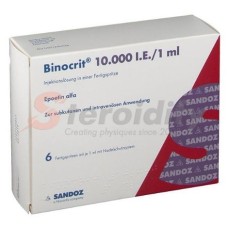

Erythropoietin: An Overview of the Category and Its Purpose
Erythropoietin is a vital category of biological agents primarily responsible for stimulating the production of red blood cells in the body. This hormone, produced by the kidneys, plays an essential role in managing hemoglobin levels, which are crucial for transporting oxygen throughout the bloodstream. Understanding Erythropoietin is fundamental for healthcare professionals and patients alike, as it is integral to treatments related to anemia and conditions that affect erythropoiesis, such as chronic kidney disease and certain cancers.
The primary purpose of Erythropoietin is to enhance erythropoiesis, thus alleviating symptoms associated with anemia. In patients dealing with inadequate red blood cell production, Erythropoietin can serve as a powerful therapeutic option. By promoting the formation of red blood cells in the bone marrow, this hormone helps improve the overall oxygen-carrying capacity of the blood, leading to increased energy levels and improved quality of life for individuals suffering from related health issues. Moreover, Erythropoietin is used in a variety of clinical settings, including preoperative preparations to minimize blood transfusions and in patients undergoing chemotherapy to offset the cytotoxic effects on bone marrow.
Typical Users and Contexts for Erythropoietin
The typical users of Erythropoietin include patients with chronic kidney disease, those undergoing cancer treatments, and individuals experiencing anemia due to a range of underlying conditions. Clinicians routinely prescribe this category to people who demonstrate lower than optimal levels of red blood cells, aiming to restore normalcy and alleviate symptoms like fatigue, weakness, and shortness of breath.
In the context of chronic kidney disease, the kidneys struggle to produce sufficient amounts of Erythropoietin, leading to renal anemia. On the other hand, cancer patients may experience anemia due to bone marrow suppression from chemotherapy. Additionally, athletes sometimes look toward Erythropoietin in performance enhancement scenarios, although this poses ethical concerns and potential legality issues within competitive sports. Understanding the diverse applications of Erythropoietin is essential for recognizing its value across various medical fields and patient situations.
Strengths and Distinguishing Characteristics of Erythropoietin
Erythropoietin is distinguished from related hormone treatments through its unique mechanism of action and its specific targeting of red blood cell production. Unlike other hematopoietic agents that may function more broadly, Erythropoietin operates primarily on erythroid progenitor cells within the bone marrow. This targeted approach allows for more precise management of anemia, which can lead to enhanced patient outcomes.
Another strength of Erythropoietin lies in its proven efficacy when prescribed correctly, along with its well-established safety profile when monitored closely. Clinical studies have demonstrated that Erythropoietin can significantly reduce the need for blood transfusions and effectively improve hemoglobin levels in treated patients. Furthermore, the advancements in administration methods, such as subcutaneous or intravenous injections, make it accessible as per patient needs. Its ability to promote red blood cell production can be a gamechanger for patients suffering from debilitating anemia conditions, rendering Erythropoietin a crucial agent in modern medicine.
Benefits of Erythropoietin: A Balanced Overview
The benefits of Erythropoietin in medical application are substantial and merit consideration for both health care providers and patients. Below is a list of key advantages that highlight why Erythropoietin is an important category in treatment protocols:
- Enhances the production of red blood cells, improving oxygen transport in the blood.
- Reduces the frequency of blood transfusions required for patients with anemia.
- Improves overall energy levels and reduces symptoms associated with anemia, such as fatigue.
- Is effective in various clinical contexts, including chronic kidney disease and chemotherapy-related anemia.
- Has a well-established safety profile when dosage and administration are monitored appropriately.
These benefits underscore the importance of Erythropoietin in treating anemia and improving patients' quality of life, emphasizing its critical role in effective management strategies.
Important Considerations Before Choosing Erythropoietin Products
Before selecting products from the Erythropoietin category, several key considerations must be taken into account. First and foremost, it is important to be aware of potential contraindications, which include uncontrolled hypertension, hypersensitivity to the active substance, and certain types of cancer where rapid tumor growth could be stimulated by increased red blood cell production.
Furthermore, the decision to use Erythropoietin should always involve a healthcare professional's approval, ensuring that patients are monitored for side effects and appropriate responses to treatment. Regular blood tests may be necessary to ensure that hemoglobin levels do not exceed normal ranges, as excessively high hemoglobin can lead to cardiovascular issues. Being proactive in discussing health histories and current medications with a healthcare team is pivotal, as it can help tailor the use of Erythropoietin to individual patient needs and ensure safe usage.
In conclusion, understanding Erythropoietin, its applications, benefits, and related precautions can provide a comprehensive foundation for both healthcare providers and patients, facilitating informed treatment decisions in the management of anemia and related conditions.