



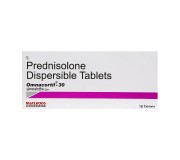
Understanding Prednisolone for Effective Treatment
For many patients seeking relief from inflammatory conditions, understanding the role of Prednisolone is crucial in managing their health effectively. This corticosteroid medication is commonly prescribed for a variety of health issues, including asthma, allergies, and autoimmune disorders. However, misconceptions often arise about its use, leading patients to either overestimate its capabilities or undervalue its importance. The primary goal of individuals considering Prednisolone typically revolves around finding a solution to alleviate symptoms and improve their quality of life. Users often seek clarity on the side effects and the long-term implications of using this medication. In this context, it’s vital to address both the genuine benefits of Prednisolone and the potential pitfalls of misunderstanding its application and limitations.
Parameters Defining the Use of Corticosteroids
The internal mechanics of how Prednisolone functions within the body are essential for effective treatment. As a synthetic glucocorticoid, it mimics the effects of cortisol, a hormone produced by the adrenal glands. Prednisolone exerts its effects by modulating the immune response and reducing inflammation, making it useful in numerous clinical scenarios. When evaluating the effectiveness of Prednisolone, parameters such as the dosage, duration of therapy, and the specific condition being treated must be carefully considered. Moreover, individual patient response to the medication can vary significantly, influenced by factors such as age, overall health, and concurrent medications. Understanding these parameters is imperative for both patients and healthcare providers in establishing a safe and effective treatment plan.
Comparison with Similar Treatment Options
When exploring treatment options for inflammatory and autoimmune conditions, it is helpful to compare the use of Prednisolone with other categories of medications. While anti-inflammatory NSAIDs and disease-modifying antirheumatic drugs (DMARDs) are commonly used for similar purposes, their mechanisms and applications differ distinctly. Unlike NSAIDs, which primarily target pain and inflammation without significantly altering the immune response, Prednisolone can have a more profound effect on the immune system, often making it suitable for more severe or systemic conditions. In contrast, DMARDs are typically used for chronic conditions like rheumatoid arthritis and operate on the premise of long-term immune modulation rather than swift symptom relief. By understanding these differences, patients can better appreciate the role of Prednisolone in their treatment regimen and how it fits with other therapeutic approaches.
Consultation and Safety Considerations
Despite its therapeutic benefits, the use of Prednisolone is not without limitations and contraindications. Healthcare professionals caution that long-term use of corticosteroids can lead to a variety of health complications, including increased susceptibility to infections, osteoporosis, and adrenal insufficiency. It is imperative that individuals considering or currently using Prednisolone consult with their healthcare provider to discuss their medical history, potential drug interactions, and any pre-existing health conditions that may contraindicate its use. Healthcare professionals can provide personalized advice and monitoring, ensuring that the benefits outweigh any potential risks. Clear communication with a doctor can guide patients toward the most appropriate treatment plan, considering all the factors involved.
Navigating the World of Prednisolone
Exploring the category page dedicated to Prednisolone can provide valuable insights for those seeking information on this medication. It is advisable to navigate through various sections to gather comprehensive understanding regarding its uses, potential side effects, and specific considerations important in each patient’s context. Visitors might find detailed explanations about dosages, administration routes, and necessary lifestyle adjustments when using this medication. Engaging with available resources such as patient testimonials, expert articles, and FAQs can enhance your knowledge and empower you to make informed decisions. Ultimately, understanding Prednisolone and its implications requires a balanced approach that emphasizes education, caution, and professional guidance.