

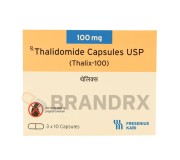
Understanding Thalidomide and Its Role in Treatment
Thalidomide is part of a specialized pharmaceutical category known for its unique therapeutic properties. It was initially introduced as a sedative and later rediscovered for its effectiveness in treating specific conditions such as leprosy and multiple myeloma. The core principle of Thalidomide is its capacity to modulate immune responses and inhibit tumor growth. All products within the Thalidomide category share this overarching mechanism of action, which makes them suitable for certain patients dealing with complex health issues. Key characteristics of the Thalidomide offerings include their anti-inflammatory effects, angiogenesis inhibition, and ability to enhance the efficacy of chemotherapy when used in combination with other agents.
Forms and Formats of Thalidomide Products
Products in the Thalidomide category are available in several formats to cater to diverse patient needs and treatment regimens. The most common form is oral capsules, which allow for easy administration and ensure the dosage is manageable for patients. Additionally, some formulations may come in tablets that provide similar benefits but may differ in specific patient preferences regarding consumption. The formulations are often standardized to ensure consistency and safety in dosing, allowing healthcare providers to tailor treatments effectively. By offering various formats, manufacturers aim to enhance adherence and maximize the therapeutic potential of Thalidomide.
Differentiating Thalidomide from Other Therapeutic Categories
Thalidomide stands apart from other therapeutic categories in its combination of immunomodulatory and antiangiogenic properties. While some medicines may focus primarily on pain relief or direct tumor destruction, Thalidomide offers a multifaceted approach that not only targets abnormal tumor growth but also improves the body’s own immune response. This unique dual mechanism can provide enhanced outcomes for patients, especially in conditions like multiple myeloma, where the body’s immune capabilities play a critical role in managing the disease. Users considering Thalidomide will find its targeted action, combined with a relatively low incidence of severe side effects compared to traditional chemotherapies, a compelling reason to explore this treatment option further.
Long-Term Effects and Considerations in Using Thalidomide
While Thalidomide demonstrates significant therapeutic benefits, it is essential to acknowledge the potential long-term effects and certain contraindications associated with its use. Studies suggest that prolonged use can lead to positive results in disease management, including improved quality of life and prolonged survival in specific patient populations. However, contraindications exist. Thalidomide can be particularly dangerous for pregnant women due to known teratogenic effects, leading to severe birth defects. Additionally, it is generally not recommended for minors as their bodies may react differently to the drug. Individuals with a history of deep vein thrombosis or those taking other medications that increase clotting risk should also exercise caution. Due to these considerations, usage should always be closely supervised by healthcare professionals.
Guidelines for Choosing and Using Thalidomide Products
Selecting the appropriate Thalidomide product requires informed decision-making. Patients should begin by consulting their healthcare provider to discuss medical history and the suitability of Thalidomide for their treatment plan. It’s vital to understand the specific format that best meets individual needs, as oral capsules and tablets may have different implications for daily routine and ease of use. Additionally, patients should adhere strictly to prescribed dosages and be vigilant about possible side effects. Regular follow-ups with healthcare providers are essential for monitoring treatment efficacy and making necessary adjustments. Whether starting or continuing treatment with Thalidomide, maintaining an open line of communication with medical professionals will aid in achieving optimal therapeutic outcomes while mitigating risks.