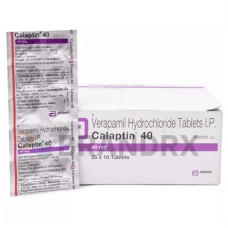


Verapamil: Overview and Purpose
Verapamil is a calcium channel blocker primarily used to treat various cardiovascular conditions. This medication works by relaxing the muscles of the heart and blood vessels, leading to a reduction in blood pressure and decreased heart rate. Verapamil is commonly prescribed for conditions such as hypertension, angina, and certain types of arrhythmias. By inhibiting the influx of calcium ions into cardiac and smooth muscle cells, Verapamil helps to improve blood flow and oxygen delivery to the heart, making it a vital component in managing heart-related issues. Furthermore, Verapamil can also show benefits in migraine prophylaxis, providing patients with additional relief beyond its cardiovascular applications.
User Contexts and Applications
The typical users of Verapamil encompass a diverse range of patients, primarily those experiencing hypertension or various heart conditions. Healthcare providers often prescribe this medication to older adults who may have developed high blood pressure over time or those with a history of cardiac disorders. Additionally, patients experiencing chronic angina or specific arrhythmias may find Verapamil to be crucial for their treatment regimen. Verapamil can also be used by individuals suffering from cluster headaches and migraines, underscoring its versatility. It is typically administered in oral form as tablets or capsules, facilitating easy integration into a patient’s daily routine. In contexts such as outpatient care or long-term management of chronic conditions, Verapamil stands out as a reliable and effective therapeutic option.
Strengths and Distinguishing Characteristics of Verapamil
Verapamil boasts several strengths that set it apart from other medications within the calcium channel blocker category. One of its primary advantages is its dual function, targeting not just blood pressure management but also providing significant relief from acute chest pain associated with angina and the stabilization of heart rhythms. Unlike some other calcium channel blockers, Verapamil has a unique impact on the heart's conduction system, leading to effective control over atrial flutter and fibrillation. Additionally, Verapamil tends to have fewer side effects related to peripheral edema compared to other members of its class, making it a preferable choice for many patients. Its ability to aid in migraine prevention is another distinguishing feature, expanding its use beyond standard cardiovascular applications and highlighting its applicability in comprehensive patient care plans.
Benefits of Verapamil
- Effective hypertension management: Verapamil significantly lowers blood pressure, improving heart health and reducing the risk of cardiovascular events.
- Angina relief: Patients find substantial relief from chronic chest pain through the vasodilation effects of the drug.
- Control of arrhythmias: Verapamil effectively treats atrial fibrillation and flutter, aiding in heart rate regulation.
- Migraine prevention: Individuals dealing with chronic migraines may benefit from Verapamil as a preventive measure against headache occurrences.
- Lower incidence of peripheral edema: Compared to other calcium channel blockers, Verapamil delivers similar benefits with a reduced risk of swelling in the extremities, improving patient comfort.
Considerations Before Selecting Verapamil
Before incorporating Verapamil into a treatment plan, it is essential to evaluate important considerations. Patients should disclose their full medical history to their healthcare provider, particularly any instances of liver or kidney disease, as these conditions can affect drug metabolism and efficacy. Contraindications to the use of Verapamil include severe hypotension, cardiogenic shock, and advanced atrioventricular block without a functioning pacemaker. Additionally, pregnant or breastfeeding women should consult healthcare professionals to assess any potential risks involved. It is also crucial to monitor for interactions with other medications, especially those that affect heart rhythm or blood pressure, to ensure a safe and effective treatment experience. Careful assessment and management can help maximize the benefits of Verapamil while minimizing potential risks.