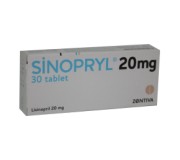
Understanding Cardiovascular drugs and Their Purpose
Cardiovascular drugs are medications specifically designed to treat conditions related to the heart and blood vessels. Users often come to this category seeking relief from conditions such as hypertension, heart failure, or arrhythmias. However, there is much confusion surrounding the use of these medications. Many individuals believe that these drugs can provide immediate results and a complete cure for their cardiovascular issues. This misconception can lead to disappointment and, in some cases, dangerous self-adjustment of medication dosages. It is vital for users to have realistic expectations and understand that cardiovascular drugs are often a part of a broader treatment plan that may include lifestyle changes, dietary adjustments, and regular medical check-ups.
Additionally, users might believe that all cardiovascular drugs function in the same way, which is not the case. Different medications target various aspects of cardiovascular health, and understanding their unique roles can empower users to make informed decisions. This webpage aims to clear up common misunderstandings about cardiovascular drugs and educate users on their purpose and effectiveness in managing cardiovascular health.
Mechanisms and Parameters of Cardiovascular pharmacology
The internal workings of cardiovascular drugs are complex and highly regulated. The main categories of cardiovascular medications include antihypertensives, anticoagulants, antihyperlipidemics, and antiarrhythmics, among others. Each of these categories plays a unique role in managing cardiovascular diseases. Antihypertensives lower blood pressure and can improve heart function, while anticoagulants reduce the risk of blood clots, crucial for patients at high risk of stroke or heart attacks. Antihyperlipidemics work to control cholesterol levels, which have long-term effects on cardiovascular health, and antiarrhythmics help manage irregular heartbeats.
Parameters that are essential for understanding how these drugs work include dosage, frequency of administration, and potential interactions with other medications. Often, careful monitoring and adjustment are necessary to find the correct balance for each patient. Factors such as age, weight, kidney function, and other existing health conditions can significantly influence how a patient responds to medication. Therefore, it is important for users to engage actively in their treatment plans and communicate openly with their healthcare providers.
Distinct Characteristics of Cardiovascular drugs
Compared to other categories of pharmaceutical products, cardiovascular drugs often require more nuanced management and continuous monitoring. For instance, diabetes medications target a specific metabolic pathway in the body, while antibiotics combat infections, generally showing quick effects. In contrast, cardiovascular drugs frequently require a more tailored approach, with their effectiveness dependent on various factors including lifestyle, diet, and adherence to prescribed treatments.
Moreover, the principles guiding cardiovascular treatment often emphasize the importance of preventative measures alongside medication management. For example, while medications can manage symptoms, exercise, diet, and stress management are also critical for improving overall heart health. This juxtaposition highlights the difference between the treatment goals of cardiovascular drugs and those of other medication categories, emphasizing a holistic approach.
Considerations and the Importance of Professional Guidance
While cardiovascular drugs can provide substantial benefits, users must be aware of their limitations and potential contraindications. Not all drugs are suitable for every individual, and misuse or self-medication can lead to serious health risks. For instance, certain antihypertensives may not be advisable for patients with specific renal conditions, and blood thinners can increase the risk of bleeding in patients undergoing surgery or those with bleeding disorders.
This underscores the critical need for professional consultation. Users must work closely with healthcare professionals to determine the appropriate medications, dosages, and treatment plans tailored to their unique circumstances. Regular follow-ups and open discussions with medical professionals help monitor the effectiveness of treatment and adjust plans as necessary. Additionally, users should always report any side effects experienced during treatment, as these can influence ongoing management strategies.
Navigating the World of Cardiovascular drugs
Exploring the category of cardiovascular drugs can be overwhelming but also rewarding when approached with caution and preparedness. Users should begin their journey by familiarizing themselves with the various types of cardiovascular medications, their purposes, and how they function. Patient education resources, along with consultation from healthcare providers, can offer valuable insights.
It is also beneficial to stay informed about ongoing research and developments in cardiovascular pharmacology, which can affect treatment protocols and options. Users are encouraged to keep track of their health status, including any changes in symptoms, and to maintain open lines of communication with their healthcare providers.
In conclusion, navigating the category of cardiovascular drugs requires a thoughtful approach rooted in understanding and communication. Taking the time to learn and engage with available resources can make a significant difference in managing cardiovascular health effectively.