

Amitriptyline: Understanding the Core of Its Applications
The Amitriptyline category comprises a range of pharmaceutical products primarily focused on the treatment of various mental health conditions and chronic pain syndromes. At the heart of all Amitriptyline products is the active ingredient, amitriptyline hydrochloride, which belongs to a class of medications known as tricyclic antidepressants (TCAs). These medications work by affecting neurotransmitters in the brain, specifically serotonin and norepinephrine, to help regulate mood, alleviate pain, and improve overall mental health.
A major feature of all amitriptyline-based treatments is their ability to address multiple symptoms simultaneously. They not only work as antidepressants but also possess analgesic properties, making them effective for conditions like fibromyalgia, migraines, and nerve pain. Common across the Amitriptyline category is the ability to provide a calming effect, which can help individuals experiencing anxiety disorders alongside depressive symptoms. The versatility and multi-faceted approach of amitriptyline distinguish it within the realm of psychotropic medications.
Forms of Amitriptyline Products Available
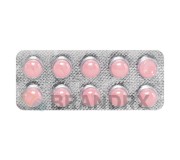
Products within the Amitriptyline category come in several forms, primarily designed to accommodate various patient preferences and needs. The most common forms include oral tablets and oral solutions. Amitriptyline tablets are typically available in different dosage strengths, allowing for personalized dosing based on the medical professional's recommendation. Oral solutions offer an alternative for those who may have difficulty swallowing pills, ensuring greater accessibility to the medication.
Another form can include extended-release formulations, which provide a steady release of the medication throughout the day, helping to maintain therapeutic levels in the bloodstream. This controlled release can enhance the overall effectiveness of the treatment while minimizing potential side effects commonly associated with higher peak levels of the drug. The availability of these different forms illustrates the category's commitment to catering to individual patient needs and preferences.
How Amitriptyline Stands Apart from Other Medications
Amitriptyline differs significantly from other antidepressants and analgesics due to its unique mechanism of action and broader spectrum of indications. Unlike selective serotonin reuptake inhibitors (SSRIs), which target serotonin levels specifically, Amitriptyline influences multiple neurotransmitters, thereby providing a more comprehensive approach to treating depression and its associated symptoms.
Furthermore, many individuals who have not found relief from other treatments may discover amitriptyline as a viable alternative. This category of products is particularly advantageous for patients dealing with complex conditions like chronic pain coupled with depressive symptoms, where other medications may not adequately address both issues simultaneously. The dual action of amitriptyline—acting as both an antidepressant and pain reliever—can lead to improved patient outcomes in these cases.
Long-term Effects and Considerations for Amitriptyline Use
The long-term use of products within the Amitriptyline category can yield beneficial effects, particularly for individuals with chronic depression or pain. Many patients report significant improvements in their symptoms over extended periods, contributing to better quality of life and daily functioning. However, it's important to note that Amitriptyline may not be suitable for everyone.
Contraindications include individuals who are pregnant, breastfeeding, or have a known hypersensitivity to the drug. Patients with certain pre-existing conditions, such as severe heart problems, liver disease, or a history of bipolar disorder, should also approach treatment with caution and consult healthcare professionals to assess suitability. Due to potential side effects, including sedation, weight gain, or anticholinergic effects, ongoing monitoring by a healthcare provider is essential for anyone using amitriptyline over the long term.
Practical Advice for Starting Amitriptyline Products
When considering the use of products from the Amitriptyline category, it is crucial to consult with a healthcare professional to discuss your symptoms and medical history. Before initiating treatment, a thorough evaluation will help determine the most suitable form and dosage for your individual needs.
Starting at a low dose is often recommended to minimize potential side effects and allow your body to adjust gradually to the medication. Regular follow-ups are essential to monitor efficacy and make necessary adjustments. It is also important to be aware of possible interactions with other medications you may be taking and to discuss any side effects experienced during treatment. By taking a thoughtful and informed approach, patients can optimize their experiences with amitriptyline and incorporate it effectively into their treatment plans.