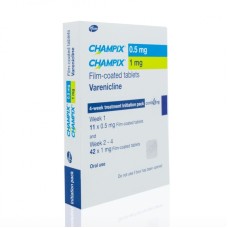


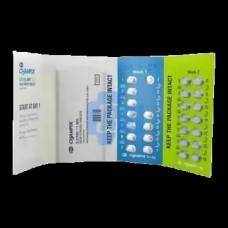
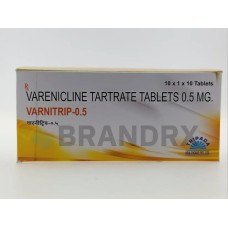

Varenicline: A Comprehensive Overview
Varenicline is a prescription medication that serves as an effective aid for individuals looking to quit smoking. This medication functions by acting on specific neurotransmitters in the brain, helping to reduce withdrawal symptoms and cravings associated with nicotine cessation. By targeting the same receptors as nicotine, Varenicline not only alleviates the physical dependence on nicotine but also enhances the likelihood of successfully quitting by reducing the pleasant effects of smoking. This category of medication is critical in public health efforts to decrease smoking rates and improve overall population health by addressing one of the leading causes of preventable disease and death.
Typical Users and Contexts
Individuals who typically seek out Varenicline are those who have made the decision to quit smoking but struggle with the addiction to nicotine. This includes first-time quitters as well as those who have attempted to stop smoking previously without success. Various demographic groups may utilize Varenicline, including young adults and seasoned smokers who understand the health risks associated with their habit. Common contexts for use include outpatient settings such as primary care physician's offices and smoking cessation clinics. Patients often receive prescriptions in tandem with behavioral support programs aiming to enhance their chances of quitting successfully. Varenicline is suited for individuals motivated to improve their health and who are fully aware of the importance of effectively addressing their nicotine dependence.
The Distinguishing Characteristics of Varenicline
Varenicline stands out among smoking cessation aids primarily due to its unique mechanism of action. Unlike nicotine replacement therapies, which supply a lower dose of nicotine to ease withdrawal symptoms, Varenicline works as a partial agonist at the α4β2 nicotinic acetylcholine receptors. This means that it mimics some of the effects of nicotine while also blocking nicotine from attaching to these receptors. Consequently, Varenicline mitigates cravings and withdrawal symptoms while reducing the rewarding effects of smoking. Additionally, the medication is typically taken in a gradual dosing schedule, which allows for easier transition and adjustments tailored to individual needs. Varenicline offers a blend of efficacy and tolerability, making it a preferred option among healthcare providers for aiding cessation efforts.
Key Benefits of Varenicline
- High efficacy in smoking cessation, helping individuals significantly reduce their cravings and withdrawal symptoms.
- Unique dual action of both stimulating the receptors and blocking nicotine, which eases the quitting process.
- Flexibility in dosing, allowing healthcare providers to tailor the treatment plan to the patient's specific needs.
- Clinical studies have shown that Varenicline can substantially increase the chances of quitting compared to placebo and other cessation methods.
- Available in an easy-to-follow oral dosage form, making it convenient for daily use.
The benefits of Varenicline not only contribute to higher quit rates but also improve the quality of life for users, as successfully quitting smoking can lead to various health improvements, including reduced risks of chronic diseases, better lung function, and overall enhanced well-being.
Important Considerations Before Choosing Varenicline
Before starting treatment with Varenicline, it is essential for individuals to discuss their medical history and any potential contraindications with their healthcare provider. The medication is not recommended for individuals with a history of seizures, certain psychiatric disorders, or those who have displayed hypersensitivity to either Varenicline or its components. Additionally, users should consider potential side effects, which may include nausea, insomnia, or abnormal dreams. It is also crucial to understand that while Varenicline has numerous benefits, it may not be suitable for everyone, and healthcare providers will help determine the best approach based on individual health profiles. Adhering to the prescribed treatment plan and utilizing additional support systems are vital for maximizing the effectiveness of this smoking cessation aid and achieving successful long-term outcomes.