
Understanding the Temozolomide Product Category
The Temozolomide product category is essential for those seeking effective treatment options for specific types of brain tumors, primarily glioblastoma multiforme. All products under this category share a common attribute: they work as alkylating agents, which interfere with the DNA in cancer cells to inhibit their ability to divide and grow. This chemical alteration leads to cell death, making Temozolomide an indispensable part of treatment regimens for certain neuro-oncological conditions. Typically administered in pill form, the medication is taken orally to ensure patient convenience and compliance. With its key characteristic as a chemotherapeutic agent, Temozolomide also demonstrates significant bioavailability, allowing it to effectively cross the blood-brain barrier, a critical feature for treating brain tumors.
Available Forms and Formats in the Temozolomide Category
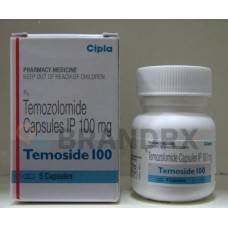
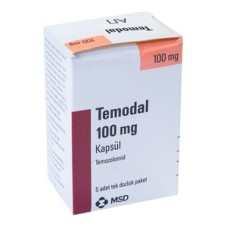
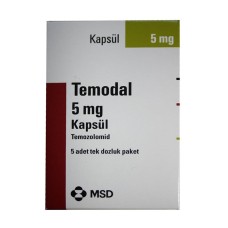
Products in the Temozolomide category are primarily available in capsule form, generally ranging from 100 mg to 250 mg dosages. This oral formulation is designed to be easy to swallow and can be taken with or without food, adding to its convenience. In addition to capsules, some healthcare providers may offer Temozolomide in compounded forms tailored to specific patient needs, although these instances may be less common. It’s important for patients to discuss their preferences and any specific requirements with their healthcare professional to determine the most suitable format for their treatment.
Key Differences of Temozolomide Compared to Related Categories
Temozolomide stands out in the broader category of chemotherapeutic agents due to its unique mechanism of action and its effectiveness in treating brain tumors. Unlike traditional chemotherapy drugs that may affect rapidly dividing cells throughout the body, Temozolomide is specifically formulated for localized action in the central nervous system. It also has different side effect profiles compared to other treatments, such as radiation therapy and non-targeted chemotherapy, which can lead to a greater incidence of systemic side effects. Users should consider Temozolomide for its targeted therapy approach, minimizing damage to healthy surrounding tissue and providing a focused attack on malignancies. Furthermore, the individual response to this medication can vary, making it imperative for users to discuss personal health conditions and history with their oncologist to see if Temozolomide is suitable for their treatment plan.
Long-term Effects and Considerations for Using Temozolomide
Long-term use of Temozolomide has been associated with both beneficial outcomes and potential risks. Patients may experience a reduction in tumor size and improvement in neurological functions over time, which can significantly enhance their quality of life. However, as with any medication, there are contraindications. Notably, Temozolomide is generally not recommended for pregnant women due to potential harm to the fetus. Additionally, it may not be suitable for minors or individuals with certain blood disorders or allergies to similar medications. Long-term users should remain vigilant about monitoring side effects, which may include nausea, fatigue, and changes in blood cell counts. Regular follow-ups with healthcare providers will ensure any arising issues are promptly addressed. Patients are advised to share complete medical histories to identify any risks before beginning Temozolomide.
Choosing and Using Temozolomide Products Effectively
When selecting products from the Temozolomide category, it is crucial to consult with a healthcare professional who can provide personalized recommendations based on medical history and treatment objectives. Patients should also be aware of the necessity of adhering to prescribed dosages and schedules to maximize the effectiveness of the treatment. It is advisable to maintain a consistent routine when taking the medication, and to discuss any missed doses with a healthcare provider promptly to avoid lapses in treatment. Additionally, keeping thorough records of symptoms and side effects can help in making informed decisions about ongoing care. Patients should feel empowered to discuss any concerns or questions about their treatment with their healthcare provider to ensure the safest and most effective use of Temozolomide.