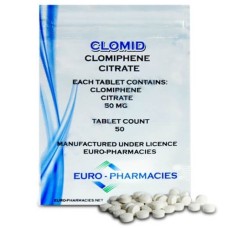
Understanding Clomid and Its Purpose
Clomid is commonly prescribed to address specific fertility challenges faced by women who are experiencing difficulties in conceiving. Many individuals turn to this medication with the hope of achieving pregnancy, often viewing it as a straightforward solution to their reproductive hurdles. However, there are several misunderstandings about Clomid's role in fertility treatments. A prevalent belief is that Clomid can work for everyone, and that it guarantees success in conceiving. In reality, Clomid functions as a selective estrogen receptor modulator that stimulates the pituitary gland to produce hormones necessary for ovulation. Its effectiveness varies from person to person, depending on the underlying causes of infertility and individual health profiles.
In addition to high hopes, users may have misconceptions about the timeline in which results can be expected. Some think that a single cycle of Clomid will lead to immediate success, while others may be discouraged if multiple cycles do not yield a positive pregnancy test. This medication is typically part of a more extensive treatment plan, and many healthcare providers recommend comprehensive evaluations to determine the best course of action.
The Internal Mechanisms of Clomid Use
To grasp how Clomid works, it is essential to understand its internal mechanisms. Clomid primarily acts on the hypothalamus and pituitary gland, which are central to the body's reproductive hormone regulation. By blocking estrogen receptors in the brain, Clomid induces the hypothalamus to increase the release of gonadotropin-releasing hormone (GnRH). This hormonal cascade stimulates the production of follicle-stimulating hormone (FSH) and luteinizing hormone (LH), leading to ovarian follicle development and ovulation.
Key parameters that influence Clomid treatment include dosage, treatment duration, and the patient's specific reproductive health profile. Dosages are often tailored to the individual, and treatment typically spans several cycles. Monitoring through blood tests and ultrasound imaging helps assess follicle development and hormonal balance, ensuring that the treatment remains effective and safe for the patient. For some women, Clomid’s ability to promote multiple ovulations may enhance the chances of conception, while for others, it may need to be combined with additional fertility interventions.
Comparing Clomid to Other Fertility Treatments
When viewed in the context of other fertility treatments, Clomid has distinct principles that set it apart. For instance, while in vitro fertilization (IVF) directly involves the retrieval and fertilization of eggs outside the body, Clomid is less invasive and primarily encourages natural ovulation. Other treatments, such as injectable infertility medications, may deliver more immediate and potent results but often come with increased risks and potential side effects.
Furthermore, lifestyle factors are also a significant consideration in fertility treatments. While Clomid focuses on addressing hormonal imbalances, lifestyle modifications involving diet, exercise, and stress management can also play crucial roles in improving overall fertility outcomes. Patients may find that utilizing a combination of Clomid with lifestyle adjustments yields better results, compared to those relying solely on one method.
Considerations for Clomid Use and Expert Guidance
Despite its important role in fertility treatments, Clomid does come with limitations and contraindications. Women who are pregnant or may be pregnant should avoid using Clomid, as its safety in pregnancy has not been thoroughly established. Additionally, women with certain conditions, such as liver disease or unexplained infertility, may need to explore alternative options. Side effects can range from mild symptoms, such as hot flashes and mood swings, to more serious risks, such as ovarian hyperstimulation syndrome (OHSS).
It is crucial to consult with a healthcare professional before starting Clomid to ensure that it is an appropriate option based on individual health factors. An experienced fertility specialist can provide personalized assessments, conducting necessary tests and evaluations to guide patients toward the most effective treatment pathways.
Exploring Clomid and Its Applications
As you navigate this category page dedicated to Clomid, it is essential to remain informed and empowered in your fertility journey. Each section provides valuable insights into how Clomid works and its applications in the context of fertility treatments. To delve deeper into the specifics of dosage guidelines, potential side effects, patient testimonials, and upcoming webinars or discussions related to fertility, please explore the links provided.
Understanding the complexities of fertility treatments, including Clomid, can help you make informed decisions about your reproductive health. By reviewing available resources and engaging with professionals, you can gain clarity on the options that best fit your circumstances. Remember that each individual’s journey is unique, and patient-centric information is vital for informed decision-making.