
Alfuzosin: Understanding the Common Features of This Category
Alfuzosin is a medication commonly used to treat symptoms of benign prostatic hyperplasia (BPH), a condition characterized by the enlargement of the prostate gland that can cause urinary difficulties. The primary function of Alfuzosin involves relaxation of the muscles in the prostate and bladder neck, leading to improved urinary flow. All products within the Alfuzosin category share this core mechanism of action, focusing on enhancing the quality of life for men suffering from BPH.
All formulations of Alfuzosin work by blocking alpha-1 adrenergic receptors, which are found in the smooth muscle of the prostate, bladder neck, and urethra. By inhibiting these receptors, Alfuzosin facilitates the relaxation of these muscles, thereby alleviating symptoms such as frequent urination, the sudden urge to urinate, and difficulty in starting urination. Key features common across the Alfuzosin product range include quick onset of action, effectiveness in reducing urinary symptoms, and a generally well-tolerated safety profile.
Forms of Release for Products in This Category
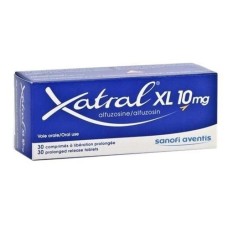
Alfuzosin is primarily available in two forms: immediate-release and extended-release. The immediate-release form is designed for prompt action, suitable for patients who may need quick relief from urinary symptoms. On the other hand, the extended-release formulation allows for a slower absorption rate, providing a sustained effect over a longer period and usually taken once a day, making it more convenient for patients.
These formulations not only cater to different patient needs but also help in maintaining consistent drug levels in the bloodstream, enhancing therapeutic outcomes and adherence to the treatment regimen. Depending on the severity of symptoms and the individual patient's response, healthcare providers might recommend the most appropriate formulation for optimal management of BPH.
Why Choose Alfuzosin Over Other Treatment Options
What sets Alfuzosin apart from other medications used to treat BPH is its selective action on alpha-1 receptors, which minimizes side effects commonly associated with other treatments, such as hormonal therapies. Unlike other medications that may affect hormonal balance or cause significant changes in blood pressure, Alfuzosin primarily focuses on the urinary tract, making it a targeted therapy for managing urinary symptoms without extensive systemic effects.
Moreover, Alfuzosin demonstrates a favorable side effect profile compared to other pharmacological options. Many patients report experiencing fewer instances of sexual side effects, which can be a concern with some other BPH medications. Furthermore, Alfuzosin is often favored in patients who may be taking antihypertensive medications, as it can be integrated into their treatment plan without exacerbating blood pressure issues.
The Long-Term Use of Alfuzosin: Effects and Contraindications
Long-term use of Alfuzosin can lead to sustained relief from the symptoms of BPH, enabling patients to maintain a better quality of life. Regular use encourages a reduction in urinary frequency, urgency, and nocturia, and many patients notice improvements within a few weeks of starting the treatment. However, it is crucial to be advised of the contraindications associated with Alfuzosin use. This medication is not recommended for individuals with a known hypersensitivity to the active ingredient or those with severe liver impairment.
Additionally, caution is advised for patients who have a history of orthostatic hypotension, as Alfuzosin may cause significant drops in blood pressure when standing. Pregnant or breastfeeding women should avoid using Alfuzosin due to potential risks to the fetus or infant, and it is typically not prescribed for children. Patients with certain heart conditions or those undergoing eye surgery for cataracts should discuss their treatment options with healthcare providers, as Alfuzosin might interact with these specific groups.
Practical Advice for Using Alfuzosin Products
When considering Alfuzosin for the treatment of BPH, it is essential to consult a healthcare provider for an accurate diagnosis and personalized treatment plan. Starting the treatment under medical supervision allows for a better understanding of dosage and potential interactions with existing medications. Patients should adhere to the prescribed dosage, whether it be immediate or extended-release, taking the medicine at the same time each day to ensure consistent benefits.
It is also advisable to monitor one’s symptoms and report any changes or side effects to a healthcare professional. Adjustments to the dosage may be necessary if side effects develop or if symptoms persist despite treatment. Finally, maintaining a healthy lifestyle, including a balanced diet and regular physical activity, can complement the effects of Alfuzosin and overall treatment for BPH, enhancing both efficacy and well-being.