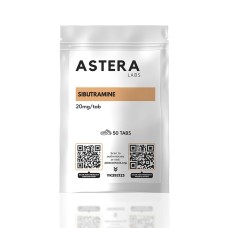

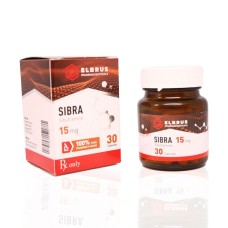












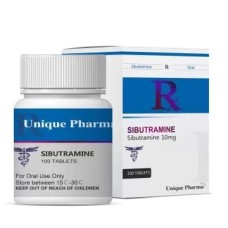
Sibutramine: A Comprehensive Overview
Sibutramine is a medication that was primarily developed for the purpose of weight management. As an appetite suppressant, it targets the central nervous system to reduce hunger sensations and promote feelings of fullness. This effect aids individuals experiencing obesity or weight-related health issues to achieve their weight loss goals. Sibutramine works by increasing levels of neurotransmitters in the brain, notably norepinephrine, serotonin, and dopamine, which play significant roles in regulating appetite and energy metabolism. Although widely discussed in clinical settings and weight loss discussions, it is important to consider the evolving landscape of weight management treatments, especially given the developments in obesity pharmacotherapy.
Who Uses Sibutramine and In What Contexts?
Typical users of Sibutramine include adults struggling with obesity or overweight conditions who have not been able to achieve significant weight loss through lifestyle modifications alone. This category often includes individuals with a body mass index (BMI) greater than 30, or those with a BMI over 27 who also face weight-related health complications, such as hypertension or type 2 diabetes. Healthcare providers may prescribe Sibutramine in conjunction with a reduced-calorie diet and increased physical activity. It is crucial for users to engage in follow-up consultations with their medical practitioners to monitor progress and assess any potential side effects. The medication is generally intended for those who have a long-term commitment to lifestyle changes and are exploring pharmacological assistance to reinforce their efforts.
Strengths and Distinguishing Characteristics of Sibutramine
Sibutramine has specific strengths that set it apart from other weight loss medications and natural alternatives. One of the key distinctions of Sibutramine lies in its pharmacological mechanism; it not only suppresses appetite but also alters metabolic parameters that can facilitate weight loss. While many medications focus solely on reducing caloric intake, Sibutramine additionally enhances the levels of neurotransmitters associated with satiety and energy expenditure. Another characteristic of Sibutramine is its effectiveness in producing measurable weight loss results within a relatively short time frame, which can be highly motivating for users. Unlike some herbal supplements with uncertain efficacy, Sibutramine gained attention from clinical studies validating its role in weight management. However, the regulatory landscape surrounding Sibutramine has evolved, leading to its withdrawal from many markets, necessitating a thorough discussion with healthcare providers about the appropriateness and viability of this option in light of modern alternatives.
Benefits of Sibutramine: Key Advantages
- Sibutramine has been shown to facilitate weight loss, especially when combined with dietary changes and exercise, leading to an enhanced quality of life.
- The medication helps in reducing waist circumference, which is an important factor in mitigating the risks associated with metabolic syndrome.
- Users often report a significant decrease in appetite, making calorie restriction more manageable over the long term.
- Sibutramine can improve glycemic control for some individuals, aiding those who are managing type 2 diabetes in conjunction with weight loss efforts.
- Potential psychological benefits include improved self-esteem and body image as weight loss progresses, often motivating users to sustain healthier habits.
Understanding these benefits can inform the decision-making process for individuals considering Sibutramine as a part of their weight management plan. However, it is essential to weigh these advantages against potential risks as with any pharmacological treatment.
Important Considerations Before Choosing Sibutramine
Before opting for Sibutramine, there are vital considerations to bear in mind. Firstly, Sibutramine is contraindicated in individuals with a history of cardiovascular disease, uncontrolled hypertension, or those who are pregnant or breastfeeding. The medication may pose risks of elevated blood pressure and increased heart rate, requiring thorough cardiovascular evaluation prior to use. Additionally, since Sibutramine is no longer marketed in certain countries due to safety concerns, users must ensure they are accessing the medication legally and through legitimate medical channels. It is also crucial to engage in ongoing discussions with healthcare providers to monitor any adverse effects and adjust usage as necessary. Lastly, lifestyle factors should be fundamentally integrated into any treatment plan, as long-term weight management and health enhancement rely significantly on sustainable behavioral changes alongside any pharmacotherapy.