

Understanding Propranolol: An Overview of Its Common Characteristics
The Propranolol category encompasses a group of medications primarily classified as beta-blockers, which play a significant role in managing various cardiovascular and psychological conditions. Propranolol works by blocking the effects of epinephrine, commonly known as adrenaline, leading to a reduction in heart rate, blood pressure, and overall strain on the heart. This group of products exhibits several key features that unite them. For instance, they are all designed to treat conditions such as hypertension, angina, and anxiety disorders by dampening the body's stress response.
One of the most significant characteristics shared by products in this category is their role in managing the body's response to stress. By inhibiting certain receptors in the heart and vascular system, Propranolol effectively minimizes stress-induced increases in heart rate and blood pressure. Furthermore, they exhibit anti-anxiety effects, making them a go-to option for individuals suffering from performance anxiety and panic disorders.
In addition, the formulations of Propranolol are carefully designed to ensure consistent absorption and efficacy. Most Propranolol products are available in oral form, while some may offer extended-release options tailor-made for specific user needs. This variety allows healthcare providers to prescribe the most suitable option based on an individual's medical history and lifestyle factors.
Types of Products in the Propranolol Category
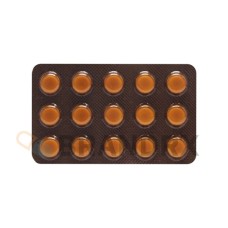
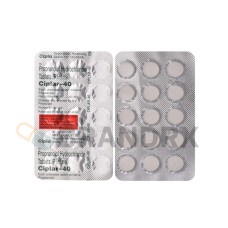
The Propranolol category includes various formulations that cater to different therapeutic needs. The standard oral tablets are perhaps the most commonly prescribed forms, typically available in varying strengths from 10mg to 80mg. For individuals who require more flexibility in their dosage or have specific medical conditions, extended-release capsules are also available, allowing for once-daily dosing. This type can be particularly beneficial for patients who struggle to adhere to multiple daily medications.
Additionally, intravenous formulations of Propranolol exist, typically used in hospital settings for acute cases involving severe hypertension or cardiac events. These injectable forms provide rapid control of blood pressure and heart rate, showcasing the versatility of the Propranolol category. Specialty formulations may also include solutions designed for specific populations or uses, such as compounding for pediatric patients.
The Unique Position of Propranolol Compared to Other Categories
Propranolol distinguishes itself from medications in other categories through its unique mode of action and wide-ranging applications. Unlike conventional antihypertensive drugs that may solely focus on blood pressure reduction, Propranolol simultaneously addresses anxiety, tremors, and certain types of migraines.
Moreover, while other beta-blockers might be more selective and target specific receptors, Propranolol is non-selective, allowing it to provide comprehensive benefits across different conditions. Its effectiveness in managing performance anxiety makes it a preferred choice among athletes and public speakers, setting it apart from competing products primarily aimed at cardiovascular health.
Individuals exploring treatment options should consider Propranolol for its multifaceted approach, which not only lowers blood pressure and heart rate but also alleviates anxiety symptoms. Furthermore, its well-established safety profile makes it a viable option for many patients who are unable to tolerate other classes of medications.
Long-Term Effects and Considerations When Using Propranolol
Utilizing products in the Propranolol category may have long-standing benefits, particularly for those with chronic conditions. Regular use can lead to significant improvements in heart health and overall quality of life. Nevertheless, long-term treatment warrants careful monitoring due to potential side effects and contraindications associated with systematic use.
Contraindications for Propranolol use include asthmatics or individuals with chronic obstructive pulmonary disease (COPD), since the non-selective beta-blocking can cause bronchospasm. Additionally, those with specific heart conditions, like severe bradycardia or heart block without a pacemaker, should avoid these medications. It is also generally advised against use in pregnant women and children unless deemed absolutely necessary by a healthcare provider.
Practical Tips for Choosing and Using Propranolol Products
When considering products in the Propranolol category, it is crucial to consult with a healthcare professional to determine the most appropriate formulation and dosage for your unique situation. Be sure to discuss your medical history, current medications, and specific health goals to establish a tailored treatment plan that ensures optimal outcomes.
To enhance adherence to treatment, patients should consider using pill organizers or setting reminders for their dosages. It's also important to maintain regular follow-up appointments with your healthcare provider to monitor effectiveness and adjust dosages when necessary. Additionally, lifestyle factors such as diet, exercise, and stress management should be integrated into your health plan to further support the benefits of Propranolol.
Overall, when used judiciously and under medical supervision, products in the Propranolol category can provide effective management for a range of conditions, improving the quality of life and offering peace of mind for countless individuals across the United States.