


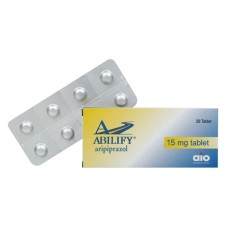
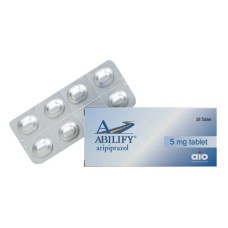


Description of Antipsychotic drugs and its main properties
Antipsychotic drugs are a class of medications primarily used to manage psychosis, including conditions such as schizophrenia, schizoaffective disorder, and bipolar disorder. They work by altering the effects of neurotransmitters in the brain, particularly dopamine, to reduce symptoms associated with these mental health disorders. The two main categories of antipsychotic medications are typical (first-generation) and atypical (second-generation) antipsychotics. Typical antipsychotics, such as haloperidol and chlorpromazine, were the first developed and are known for their efficacy in managing acute psychotic episodes. Atypical antipsychotics, including risperidone, quetiapine, and olanzapine, have gained prominence due to their ability to target a broader range of symptoms with potentially fewer side effects.
The properties of antipsychotic drugs include mood stabilization, reduction of hallucinations and delusions, and overall improvement in the quality of life for individuals suffering from severe mental health disorders. These medications can help individuals lead more normal lives by decreasing the severity of symptoms, allowing them to engage in daily activities and maintain relationships. However, the selection of the appropriate antipsychotic drug is highly individualized, taking into account the specific symptoms, medical history, and personal preferences of each patient. Due to the complexity of mental health disorders and their treatment, regular consultation with a healthcare provider is essential when considering or using antipsychotic medications.
What to consider when choosing products from this category
When selecting antipsychotic drugs, several important factors should be taken into account. First, it is critical to work closely with a healthcare professional to determine the most appropriate medication based on the individual's specific needs and medical history. The efficacy of antipsychotic medications can vary significantly from person to person, and what works for one individual may not work for another.
Additionally, consider potential side effects associated with the medication. Common side effects of antipsychotics can include weight gain, drowsiness, dry mouth, and more severe risks such as tardive dyskinesia or metabolic syndrome. Understanding these risks is crucial when discussing treatment options with a healthcare provider.
Another consideration is the form of medication. Antipsychotics are available in various forms, including tablets, long-acting injectables, and dissolvable formulations. The choice of form can impact adherence to treatment, as some patients may prefer injections over daily pills for convenience. Lastly, inquire about any necessary blood tests or regular monitoring that may be required when taking certain antipsychotic medications, as this can be vital for ongoing health management.
Why athletes use Antipsychotic drugs
Although antipsychotic drugs are primarily used to treat serious mental health conditions, some athletes may find themselves using these medications as part of their overall mental health management. The pressures of professional sports can lead to high levels of stress, anxiety, and other mental health challenges, prompting some athletes to seek relief through various treatment options, including antipsychotics.
It is vital for athletes to address any mental health issues proactively, as untreated conditions can negatively impact performance and overall well-being. By using antipsychotic medications, some athletes may experience improved mood regulation, reduced anxiety, and a more stable mental state, which can ultimately enhance their focus and performance in their respective sports.
Combination of Antipsychotic drugs with other sports-related products. Provide a balanced overview of Antipsychotic drugs benefits, including a numbered list of key advantages.
Combining antipsychotic medications with other sports-related products should always be undertaken with caution and under the supervision of a healthcare professional. While antipsychotics can provide significant benefits for individuals with mental health issues, their effects can vary when used in conjunction with performance-enhancing supplements or other medications.
Some key advantages of antipsychotic drugs include:
- Effective management of symptoms: Antipsychotic drugs can substantially alleviate symptoms of psychosis, allowing individuals to function better in daily life and sports.
- Stabilization of mood: By regulating mood swings and emotional instability, athletes may find it easier to maintain focus and composure during competitions.
- Improvement in quality of life: When mental health conditions are effectively managed, individuals can experience enhanced relationships, improved social interactions, and more engaging personal lives.
- Reduction of anxiety: Many individuals report feeling less anxious when taking antipsychotic medications, helping them to center their attention on performance rather than mental distractions.
- Support for a holistic treatment approach: Antipsychotics can be part of a comprehensive treatment plan that may also include psychotherapy and lifestyle changes, further enhancing mental health.
- Customization of treatment: With a wide variety of antipsychotic medications available, healthcare providers can tailor treatment to meet the unique needs of each patient.
It’s essential to evaluate these benefits within a broader context of overall health, ensuring that any combination of medications is safe and effective for the individual athlete.
Who should not take products from this category. Summarize important considerations and contraindications before choosing.
Not everyone should consider antipsychotic drugs as a treatment option. Certain groups of individuals may be advised against using these medications due to the potential for significant side effects or contraindications. For example, individuals with a history of hypersensitivity to any component of the medication should avoid it entirely. Furthermore, patients with certain cardiovascular conditions, such as arrhythmias, may face increased risks when taking specific antipsychotics, making it crucial to disclose all medical history to a healthcare provider.
Pregnant or breastfeeding women should also exercise caution, as antipsychotic medications can have effects on fetal development or be passed through milk, potentially impacting a nursing infant. Additionally, individuals with a history of substance misuse may be at heightened risk for dependency or adverse interactions if they take antipsychotic drugs alongside other substances. Always consult a healthcare professional before selecting any antipsychotic medication, as they can provide insightful assessments and alternatives that best suit individual health requirements.
Where to buy Antipsychotic drugs online in the USA
When considering purchasing antipsychotic drugs online in the USA, it is essential to prioritize safety and legality. Medications should only be obtained from licensed pharmacies that require a valid prescription from a healthcare provider. Trusted online pharmacies will typically require patients to complete a consultation with a licensed healthcare professional before dispensing medications. This guarantees that patients receive the appropriate medications for their specific conditions while minimizing the risk of misuse or adverse effects.
Research reputable online pharmacies and ensure they have the necessary certifications and licenses recognized by state and federal authorities. Additionally, it is wise to read customer reviews and check for quality indicators before making a purchase. While online shopping can provide convenience, safety should always take precedence, especially with medications as significant as antipsychotic drugs. Make sure to discuss any online purchases with a healthcare provider to ensure that they fit well with your overall treatment plan.