






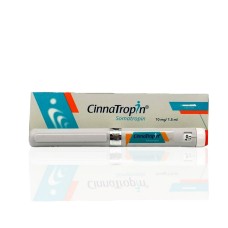
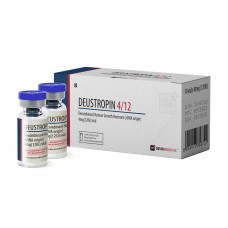


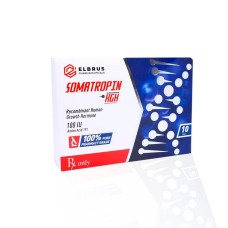
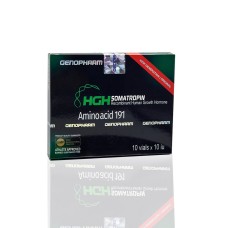
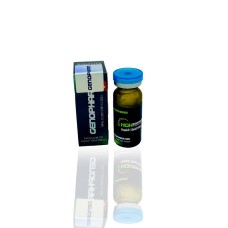
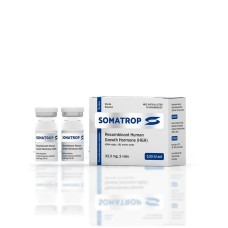
Understanding the Goals of Somatropin Users
Individuals considering the use of Somatropin often seek it for various reasons, predominantly related to growth and anabolic enhancement. Among these goals, users frequently aim to increase muscle mass, improve athletic performance, enhance recovery times, or address specific health issues such as growth hormone deficiencies. Many users are also motivated by aesthetic desires, aiming for a toned physique and minimized body fat. However, amidst these objectives, there are prevalent misunderstandings about the nature of Somatropin. Skepticism often surrounds its efficacy and safety, giving rise to myths about its use. Some may believe that it offers a shortcut to achieving a perfect body without the accompanying need for proper nutrition and exercise. Others may underestimate the importance of a proper dosage, believing that more of the substance equates to greater results. This misunderstanding is critical, as it can lead to misuse and potential health risks.
The Internal Mechanisms of Somatropin
The action of Somatropin, a synthetic form of human growth hormone, hinges on its ability to simulate the effects of naturally occurring growth hormone in the body. Its primary role involves stimulating growth, cell reproduction, and regeneration. Somatropin impacts several physiological parameters, including fat metabolism, muscle growth, and bone density. By influencing these functions, it can lead to significant advancements in body composition and physical performance. Key parameters that need to be monitored for safety and effectiveness include the dosage, frequency of administration, and individual health conditions. The variability in how different bodies may respond to Somatropin is crucial. Factors such as age, sex, and existing health conditions can affect the results and the risks involved with its use. Therefore, understanding these variables is essential for anyone considering Somatropin.
Comparative Analysis of Anabolic Enhancement Methods
When evaluating Somatropin, it is helpful to compare it with alternative anabolic agents like anabolic steroids or other hormone therapies. Anabolic steroids function primarily by enhancing protein synthesis, leading to increased muscle mass. In contrast, Somatropin has more extensive metabolic effects, impacting not just muscle growth but also fat metabolism and overall physical recovery. Furthermore, whereas anabolic steroids can lead to immediate and sometimes unbalanced gains, Somatropin generally promotes a more gradual and steady growth pattern, which can be seen as beneficial in terms of sustainable results. Users must also be aware of the different side effects linked with steroids compared to Somatropin, including significant hormonal fluctuations and the risk of aggressive behaviors associated with steroid use. By understanding these principles, individuals can make more informed choices about which anabolic enhancement methods may suit their goals. The choice ultimately depends on personal health conditions, goals, and the potential for side effects.
Potential Risks and Necessity for Consultation
While Somatropin possesses numerous benefits, it is not without limitations and contraindications. Users might experience side effects such as swelling, joint pain, and insulin resistance, which can affect overall health. Moreover, there are specific groups who should avoid using Somatropin, including those with certain cancers, individuals with obesity-related conditions, or those with acute or chronic respiratory issues. This emphasizes the critical importance of professional consultation before starting a regimen involving Somatropin. Healthcare professionals can evaluate these risks and assist in crafting the appropriate plan consideration existing health profiles. Self-administration without medical guidance can lead to detrimental outcomes and heights the odds of adverse effects, thus ensuring safety and effectiveness should always come first in any treatment decision involving Somatropin.
Navigating the Somatropin Category Page
For those exploring the realm of Somatropin, effective navigation through this category page is essential for gaining a thorough understanding. Potential users can benefit from learning about various aspects, including the appropriate dosages, administration methods, and possible results. It is also advisable to engage with testimonials or informational resources presented under this category, as these can offer valuable insights into real-world experiences and outcomes. Users are encouraged to extensively review safety information and to prioritize awareness of each subtopic and its significance in the context of personal health goals. Exploring the categories related to physical fitness and recovery can also provide alternative perspectives on how Somatropin might integrate into an overall wellness strategy. This structured approach enables informed decision-making and promotes a safer experience in the consideration of Somatropin.